
Why Australia, not Europe
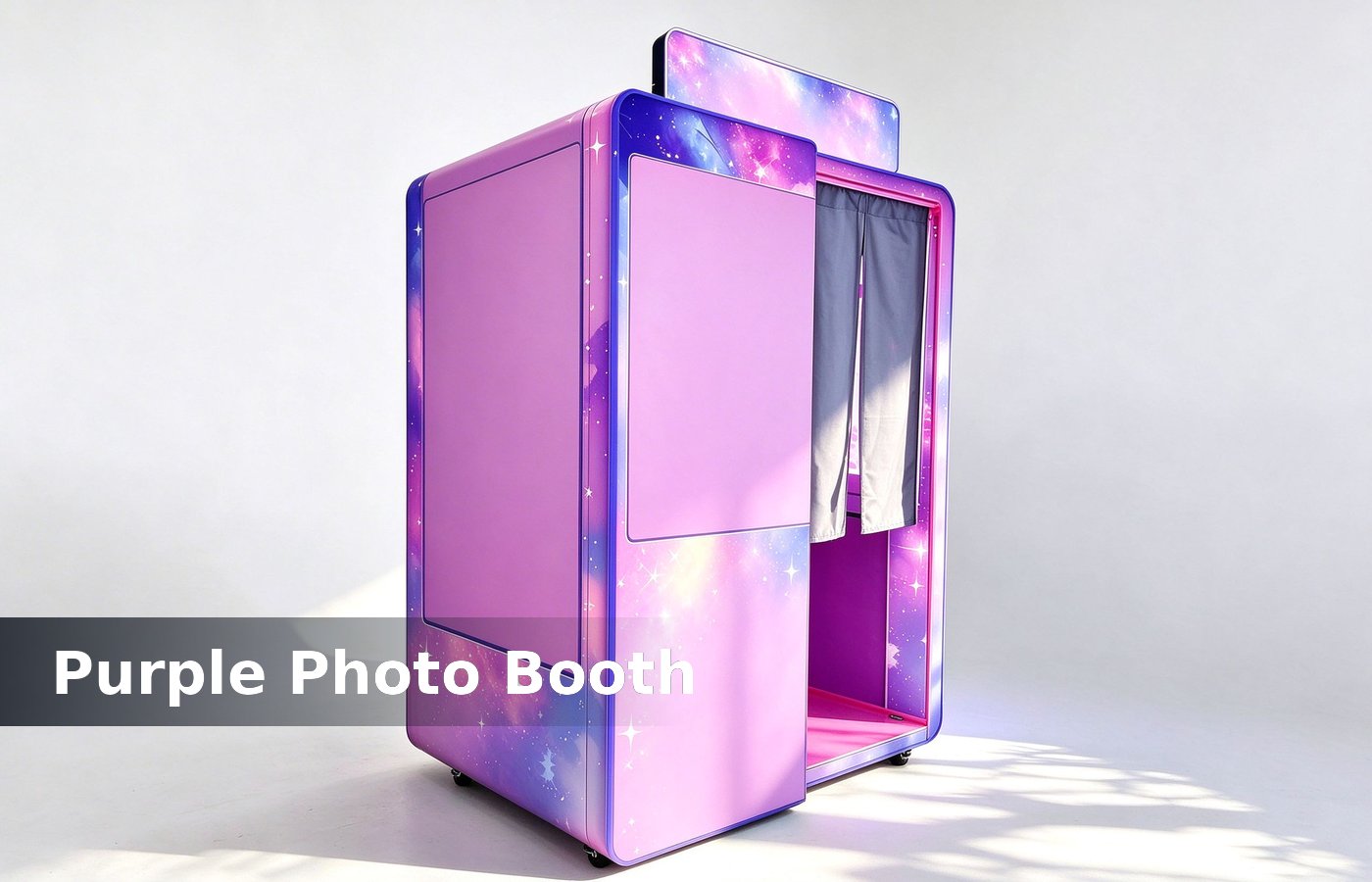
Photo printing kiosks work in Australia because the mall is the social place. A family spends a Saturday in a centre, and a photo booth turns that into a 12 purchase in 4 minutes. None of that shows in a render, which is why we mark the open space and the service gap on the plan. Clients who settle it at design stage pay nothing extra, and clients who settle it after opening pay for a rebuild.
A European city has 6 photo shops per 100 thousand people and an Australian city has 2. The gap is the kiosk: the machine does the printing and glass showcases. The same rule holds for a cinema lobby and a food court, with the group dwell mattering more beside a cinema. We keep the alternative on the same quotation, so the buyer compares a number instead of a preference.
The 4 minute transaction
A modern booth takes 4 minutes: choose a frame, sit, 3 shots, pay, print. The 4 minutes is the product, and a booth that takes 6 loses the walk-by customer. That number belongs on the booth drawing, because a bay size agreed verbally rarely survives the first mall review. Most of these gaps appear in week one, which is exactly when the first queue of teenagers forms.
Print in 40 seconds, not 90. A 40 second print keeps the customer at the machine and the queue in view, and a 90 second print empties the queue before it forms. Mark it on the drawing sheet too, so whoever changes the paper later has the reference without guessing. One Saturday with a clicker settles the question faster than a week of drawing revisions.
Space and the 2 sqm bay
A photo booth needs 2 sqm of floor and 2.2 m of height, plus 1.2 m of open space in front for the group. A booth at 1.2 m wide fits a mall bay that refuses a kiosk. None of that shows in a render, which is why we mark the open space and the service gap on the plan.
Leave 900 mm behind the booth for service. A booth against a wall with no rear access means a paper change takes 40 minutes, and a paper change is a weekly job. Clients who settle it at design stage pay nothing extra, and clients who settle it after opening pay for a rebuild. The same rule holds for a cinema lobby and a food court, with the group dwell mattering more beside a cinema.
Keep the booth 300 mm off the walk line. A booth flush with the aisle blocks the pram and the trolley, and a blocked aisle is a landlord notice in the first week. We keep the alternative on the same quotation, so the buyer compares a number instead of a preference. That number belongs on the booth drawing, because a bay size agreed verbally rarely survives the first mall review.
Power, print and paper
A booth draws 1.5 kW at peak with a printer, a light ring and a screen. Plan a 16 A socket, and a UPS if the mall has a known brown-out afternoon. Most of these gaps appear in week one, which is exactly when the first queue of teenagers forms. Mark it on the drawing sheet too, so whoever changes the paper later has the reference without guessing.
Paper and chemistry are the running cost. A thermal printer costs 0.40 per strip and a dye sub costs 0.90, and the dye sub print holds 20 years refrigerated cases. One Saturday with a clicker settles the question faster than a week of drawing revisions. None of that shows in a render, which is why we mark the open space and the service gap on the plan.
The frame is the product
Customers buy the frame, not the photo. Run 6 frames per season, 2 licensed and 4 house style, and rotate the licensed pair every 8 weeks. Clients who settle it at design stage pay nothing extra, and clients who settle it after opening pay for a rebuild. The same rule holds for a cinema lobby and a food court, with the group dwell mattering more beside a cinema.
A booth with one frame sells once per customer group. A booth with 6 frames sells twice, because two people in the group want fixture materials. We keep the alternative on the same quotation, so the buyer compares a number instead of a preference. That number belongs on the booth drawing, because a bay size agreed verbally rarely survives the first mall review.
Location beats the machine
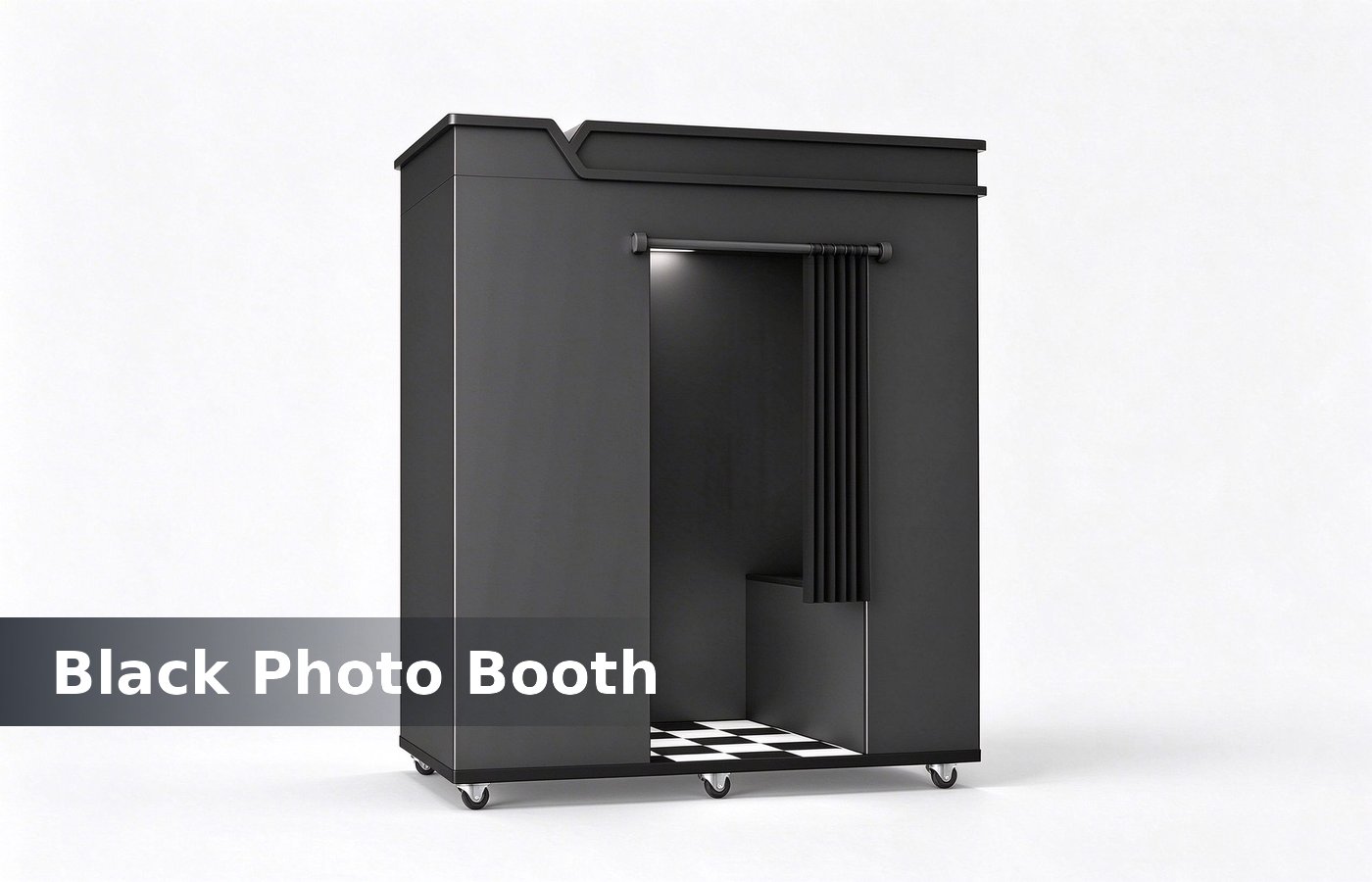
A booth at 2.5 million annual footfall beside a cinema does 60 sessions a Saturday. A booth in a quiet arcade with the same machine kiosk design. Most of these gaps appear in week one, which is exactly when the first queue of teenagers forms. Mark it on the drawing sheet too, so whoever changes the paper later has the reference without guessing.
Site beside a cinema, a food court or a kids zone. Those three places hold a group for 20 minutes, and 20 minutes is when the group retail displays. One Saturday with a clicker settles the question faster than a week of drawing revisions. None of that shows in a render, which is why we mark the open space and the service gap on the plan.
The price ladder
A single strip at 8 to 12 and a double at 15 to 18. A group of 4 takes 2 strips, so the average ticket lands at 20 to 24 rather than the 10 headline. Clients who settle it at design stage pay nothing extra, and clients who settle it after opening pay for a rebuild. The same rule holds for a cinema lobby and a food court, with the group dwell mattering more beside a cinema.
Add a 5 digital download as an option, not a bundle. A download that costs nothing to deliver adds 30 percent to the ticket when it is offered as a shop fixtures. We keep the alternative on the same quotation, so the buyer compares a number instead of a preference. That number belongs on the booth drawing, because a bay size agreed verbally rarely survives the first mall review.
Six numbers for an Australian booth
The table is the shape of a mall photo booth in an Australian centre, based on a 2 sqm bay and a 4 minute session. Most of these gaps appear in week one, which is exactly when the first queue of teenagers forms. Mark it on the drawing sheet too, so whoever changes the paper later has the reference without guessing.
| Item | Number |
|---|---|
| Floor | 2 sqm, 2200 mm height |
| Session | 4 minutes |
| 40 seconds, dye sub | |
| Peak sessions | 60 a Saturday |
| Average ticket | 20 to 24 per group |
| Power | 1.5 kW, 16 A |
Maintenance and the uptime
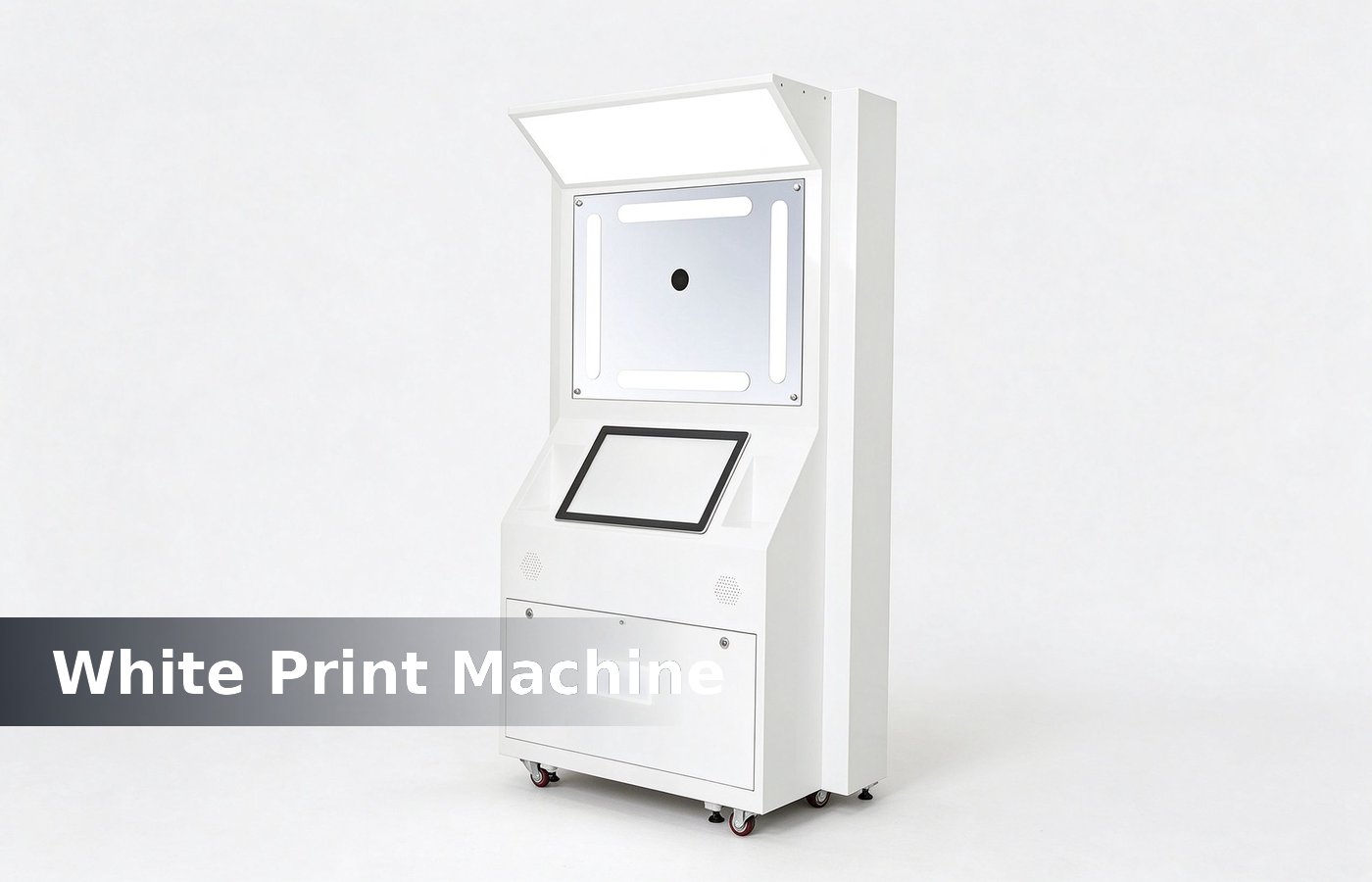
A booth needs a paper change weekly, a print head clean daily and a software update monthly. Uptime at 95 percent counters and towers in 14 months. One Saturday with a clicker settles the question faster than a week of drawing revisions. None of that shows in a render, which is why we mark the open space and the service gap on the plan.
A booth at 80 percent uptime does not return. A dead booth in a mall is a dead pitch, and a landlord who sees an out of order sign for 3 days cash counters. Clients who settle it at design stage pay nothing extra, and clients who settle it after opening pay for a rebuild. The same rule holds for a cinema lobby and a food court, with the group dwell mattering more beside a cinema.
Own or franchise
An operator owning the booth keeps the 20 ticket. A franchise keeps 8 but gets the site, the frames and the service contract. We keep the alternative on the same quotation, so the buyer compares a number instead of a preference. That number belongs on the booth drawing, because a bay size agreed verbally rarely survives the first mall review.
Own if you can hold the lease and the maintenance. Franchise if the site is the value and you have no technician, and a booth with no technician is a booth with no uptime. Most of these gaps appear in week one, which is exactly when the first queue of teenagers forms. Mark it on the drawing sheet too, so whoever changes the paper later has the reference without guessing.
Conclusion
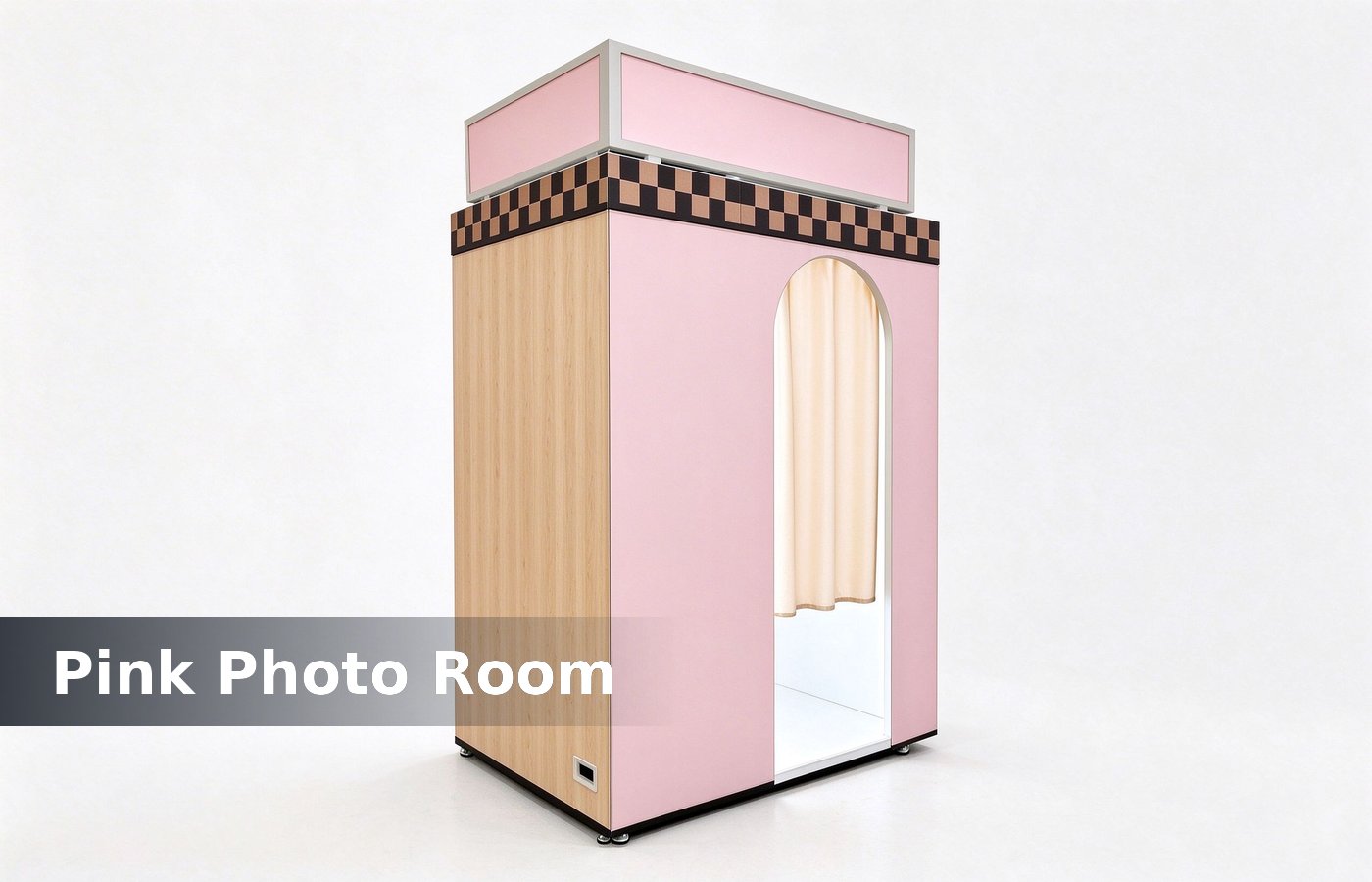
Two sqm, 4 minutes, a 40 second print and a site beside a cinema. Those four make a photo booth a cash asset in an Australian mall. One Saturday with a clicker settles the question faster than a week of drawing revisions. None of that shows in a render, which is why we mark the open space and the service gap on the plan.
Sell the frame, not the photo. A customer who chooses a border is a customer who buys two strips instead of one. Clients who settle it at design stage pay nothing extra, and clients who settle it after opening pay for a rebuild. The same rule holds for a cinema lobby and a food court, with the group dwell mattering more beside a cinema.
Depth a booth at 1.2 m and leave 900 mm behind it for the paper tray. A booth at 800 mm takes a slim printer only, and a slim printer at 40 seconds is fixture systems. We keep the alternative on the same quotation, so the buyer compares a number instead of a preference. That number belongs on the booth drawing, because a bay size agreed verbally rarely survives the first mall review.