
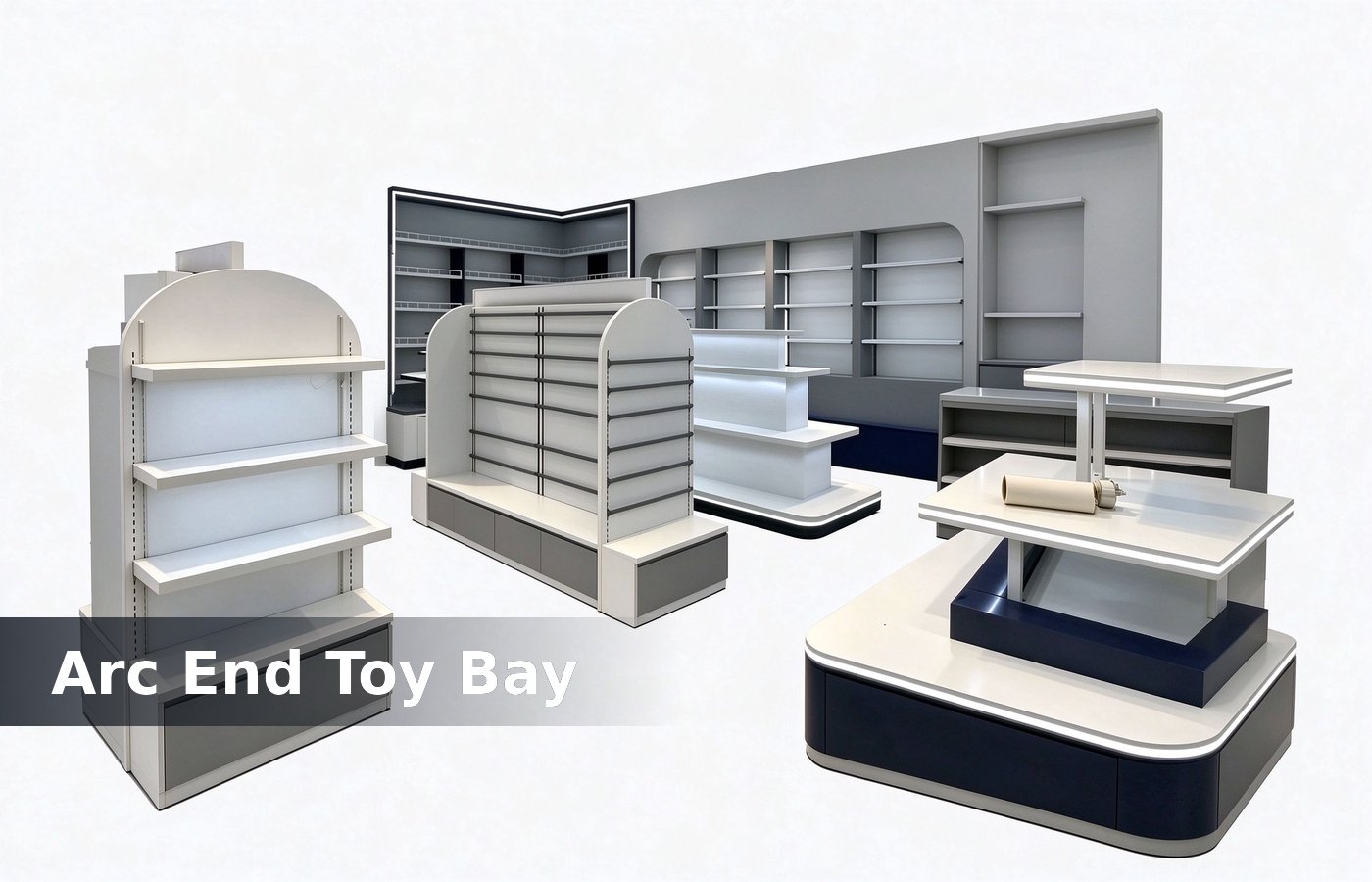
Three shopper ages, three zones
A toy shop serves a 3 year old, a 7 year old and a collector, and the three do not shop the same shelf. Zone the floor by age, and the shop stops being a warehouse. That number belongs on the shop drawing, because a bay height agreed verbally rarely survives the first fit out. Most of these gaps appear in week one, which is exactly when the first restock lands.
Put 0 to 3 at the entrance, 4 to 8 in the middle and 9 plus at the back. A parent with a toddler never walks 12 m to the collectible aisle, so the collectible aisle sells to the buyer who glass showcases. Mark it on the drawing sheet too, so whoever resets the bay later has the reference without guessing.
Shelves at 1200, not 1800
A toy shelf runs at 1200 mm for the child and 1500 mm for the adult. A bay at 1800 mm hides the top 3 rows from a 6 year old, and the top 3 rows are where the slow stock lives. One walk through with a tape settles the question faster than a week of drawing revisions.
Shelf pitch at 350 mm suits a box, a plush and a blister pack. A 250 mm pitch cannot take a 300 mm box, and a 450 mm pitch wastes a row on a plush. None of that shows in a render, which is why we mark the shelf pitch and the walk on the plan. Clients who settle it at design stage pay nothing extra, and clients who settle it after opening pay for a re build.
Gondola 1500 and the walk
A double sided gondola at 1500 mm gives 2 sides and 1 walk. A gondola at 1800 mm gives 20 percent more facings and blocks the sight line, and a blocked sight line loses the end cap. The same rule holds for a high street unit and a mall shop, with the walk mattering more in a mall. We keep the alternative on the same quotation, so the buyer compares a number instead of a preference.
Keep 1200 mm between runs. A 900 mm gap fits a trolley but not a parent and a child side by side, and the pair is the actual shopping unit. That number belongs on the shop drawing, because a bay height agreed verbally rarely survives the first fit out. Most of these gaps appear in week one, which is exactly when the first restock lands.
Plush, blind box, and the 300 rule
Plush goes on a 400 mm shelf with a 500 mm depth, because a 40 cm bear needs the depth. Blind box goes on a 300 mm shelf at 1100 mm, because the buyer reads the case, not the box. Mark it on the drawing sheet too, so whoever resets the bay later has the reference without guessing.
Every shelf needs a 300 mm top clearance minimum. A 500 mm plush under a 300 mm shelf touches the shelf above, and a touched shelf reads as a mess kiosk design. One walk through with a tape settles the question faster than a week of drawing revisions. None of that shows in a render, which is why we mark the shelf pitch and the walk on the plan.
Set the end cap at 1350 mm and the shelf at 1200 mm. An end cap above eye level is seen from 6 m, and 6 m is the far side of a fixture materials. Clients who settle it at design stage pay nothing extra, and clients who settle it after opening pay for a re build.
The play table sells the toy
One demo table per 40 sqm sells more than the shelf behind it. A child who plays for 90 seconds gives the parent 90 seconds to read the price and the age mark. The same rule holds for a high street unit and a mall shop, with the walk mattering more in a mall. We keep the alternative on the same quotation, so the buyer compares a number instead of a preference.
Table at 550 mm, not 750 mm. A 750 mm table puts the toy above the child and the child on the floor, and a child on the floor is a parent retail displays. That number belongs on the shop drawing, because a bay height agreed verbally rarely survives the first fit out. Most of these gaps appear in week one, which is exactly when the first restock lands.
The 40 square metre rule
A 40 sqm toy shop carries 900 to 1200 SKUs and turns 1.2 times a month. A 40 sqm shop with 3000 SKUs turns 0.4 times and hides the best seller behind the refrigerated cases. Mark it on the drawing sheet too, so whoever resets the bay later has the reference without guessing. One walk through with a tape settles the question faster than a week of drawing revisions.
Cut an SKU when it sells under 2 a month. A toy at 2 a month holds a 300 mm facing for 6 weeks, and the facing is the rent the fast mover pays. None of that shows in a render, which is why we mark the shelf pitch and the walk on the plan. Clients who settle it at design stage pay nothing extra, and clients who settle it after opening pay for a re build.
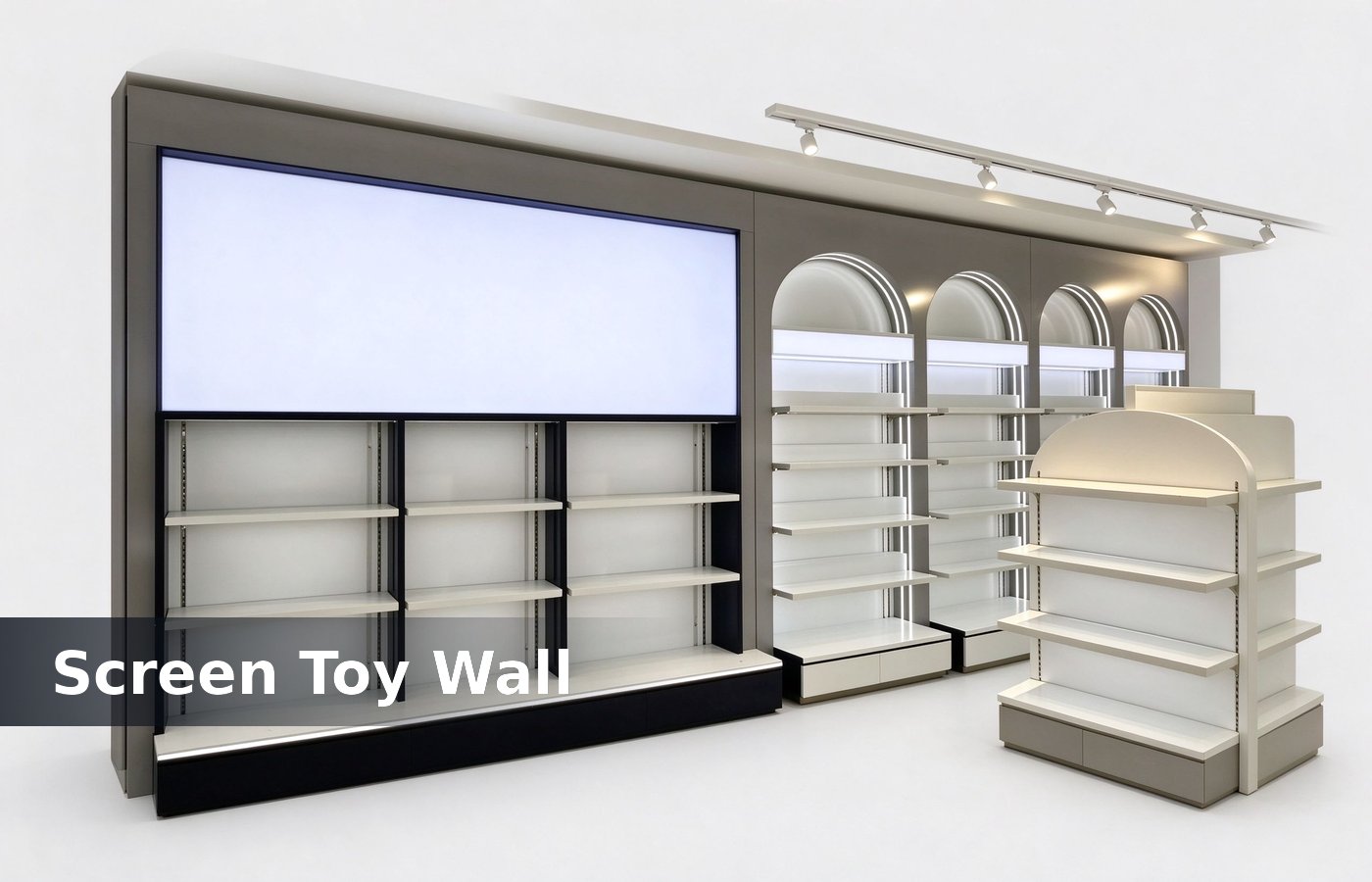
Safety, age marks and the till
Every toy needs an age mark and a small parts warning. The till needs the same rule as the shelf, and a shop that sells a 3 plus toy to a 2 year old owns the complaint. The same rule holds for a high street unit and a mall shop, with the walk mattering more in a mall.
Keep the small parts gauge at the counter. A 20 mm ball under the gauge is a choking risk, and a staff member with the gauge answers the question small format kiosk. We keep the alternative on the same quotation, so the buyer compares a number instead of a preference. That number belongs on the shop drawing, because a bay height agreed verbally rarely survives the first fit out.
Six numbers for a toy shop
The table is the bay and floor shape we quote for a 40 sqm toy shop, and each line reads off the drawing rather than counters and towers. Most of these gaps appear in week one, which is exactly when the first restock lands. Mark it on the drawing sheet too, so whoever resets the bay later has the reference without guessing.
| Item | Number |
|---|---|
| Child shelf | 1200 mm high |
| Adult shelf | 1500 mm high |
| Shelf pitch | 350 mm |
| Gondola | 1500 mm, 1200 mm walk |
| Play table | 550 mm, one per 40 sqm |
| Stock | 900 to 1200 SKUs |
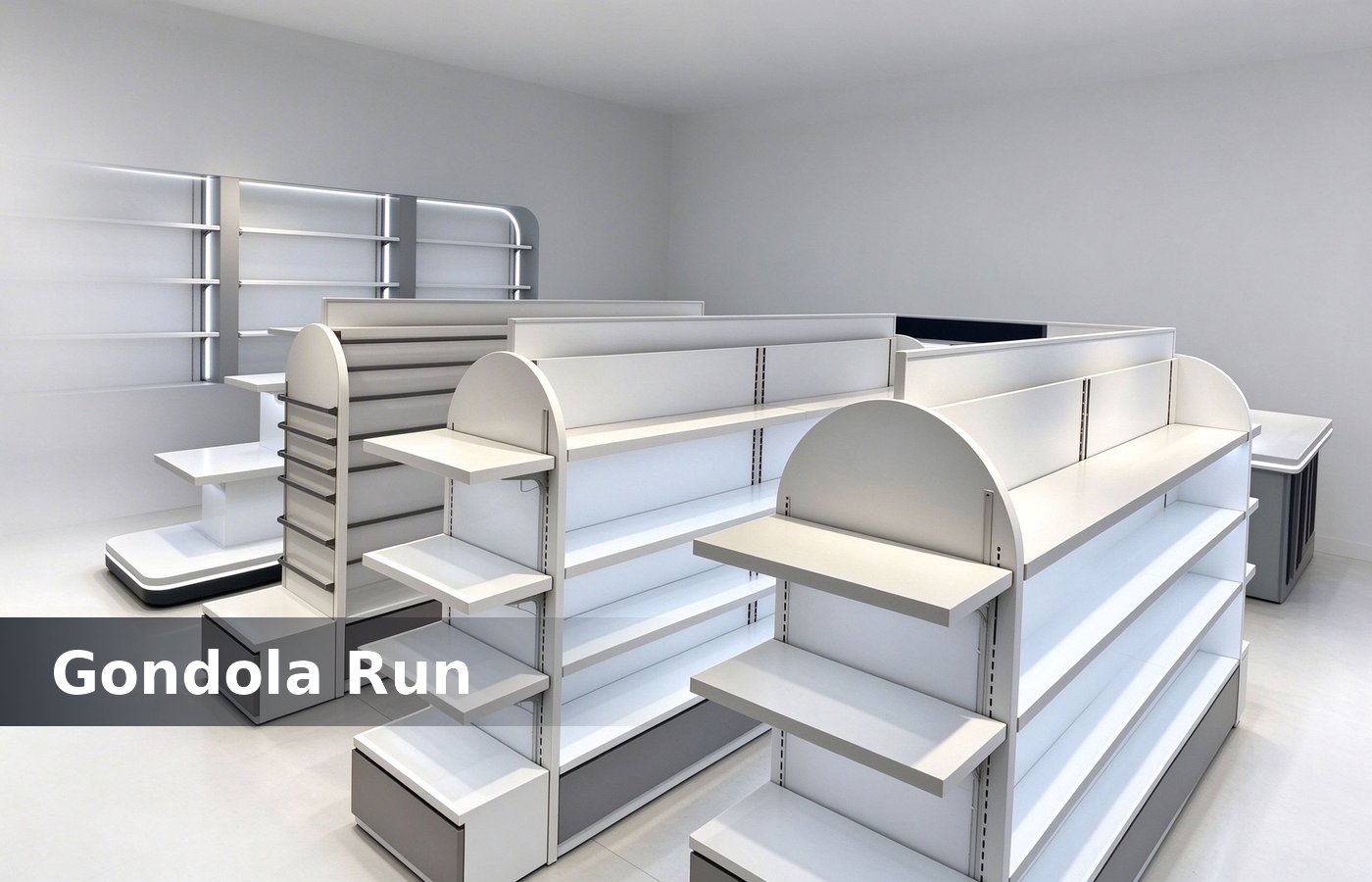
Season and the October wall
A toy shop makes 40 percent of the year in 10 weeks from October. The seasonal wall has to be built in September, not decorated in November. One walk through with a tape settles the question faster than a week of drawing revisions. None of that shows in a render, which is why we mark the shelf pitch and the walk on the plan.
Plan one 1.2 m bay per season. A shop that clears a 4 m aisle for Christmas loses the 4 m for 3 months of the year and pays rent on it fixture systems. Clients who settle it at design stage pay nothing extra, and clients who settle it after opening pay for a re build. The same rule holds for a high street unit and a mall shop, with the walk mattering more in a mall.
Theft and the 8 percent
Toys shrink 3 to 8 percent, and the small high value items shrink most. Blind box and collectible go behind the counter or under a lock, and a lock costs 1 shelf of space. We keep the alternative on the same quotation, so the buyer compares a number instead of a preference. That number belongs on the shop drawing, because a bay height agreed verbally rarely survives the first fit out.
Keep the empty box on the shelf and the stock at the till. A display box with stock behind the counter sells the line and removes the theft in cash counters. Most of these gaps appear in week one, which is exactly when the first restock lands. Mark it on the drawing sheet too, so whoever resets the bay later has the reference without guessing.
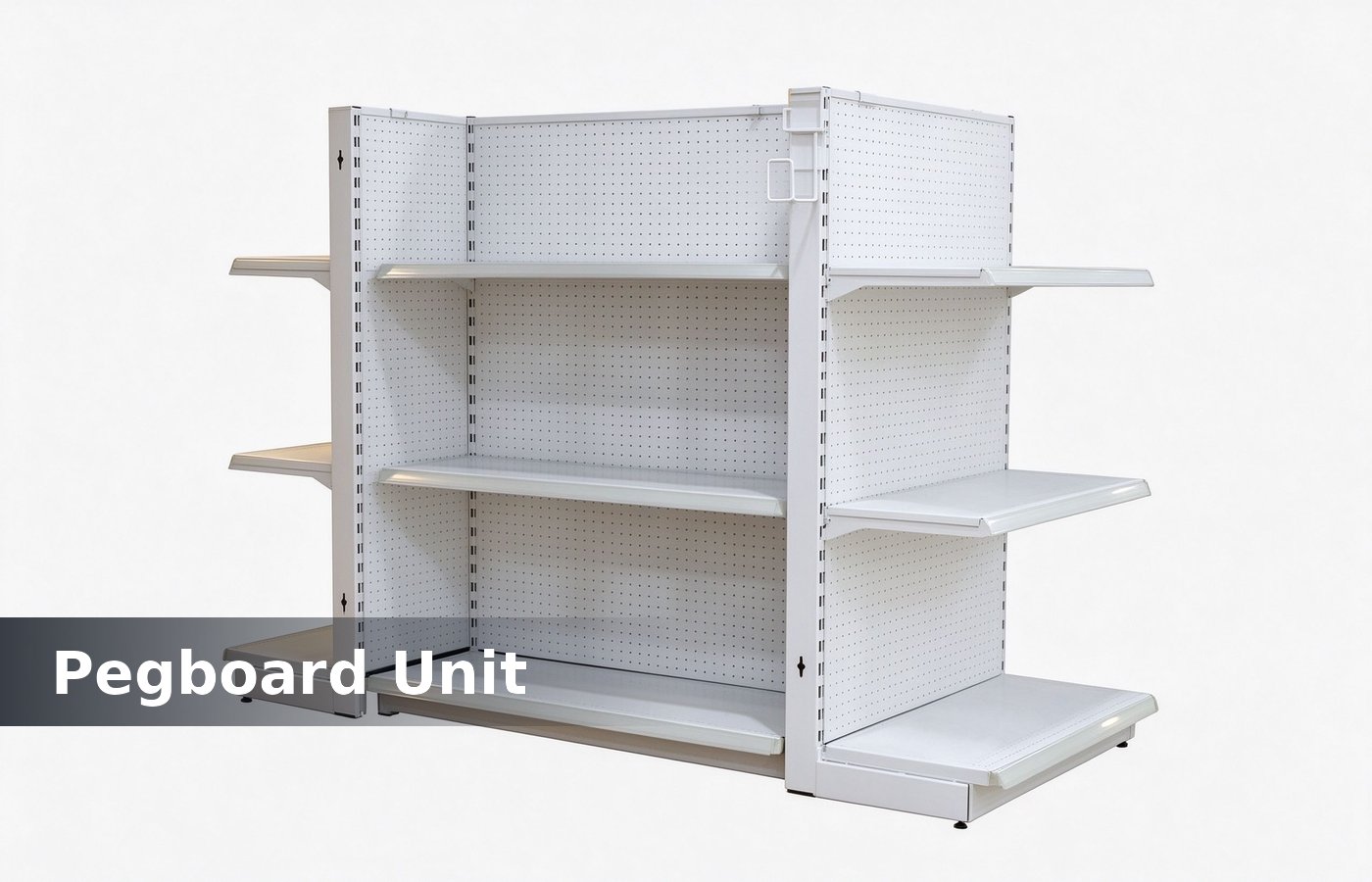
Conclusion
Three age zones, a 1200 mm child shelf, a 350 mm pitch, a 550 mm play table and 1000 SKUs. Those five carry a 40 sqm toy shop. One walk through with a tape settles the question faster than a week of drawing revisions. None of that shows in a render, which is why we mark the shelf pitch and the walk on the plan.
Sell the age band, not the assortment. A shop zoned by age turns twice as fast on the same floor, and the floor is the only thing the rent pays for. Clients who settle it at design stage pay nothing extra, and clients who settle it after opening pay for a re build. The same rule holds for a high street unit and a mall shop, with the walk mattering more in a mall.
Depth the plush shelf at 500 mm and the blind box shelf at 300 mm. A 300 mm shelf cannot take a 40 cm bear, and the bear ends up on the floor display cases. We keep the alternative on the same quotation, so the buyer compares a number instead of a preference. That number belongs on the shop drawing, because a bay height agreed verbally rarely survives the first fit out.