
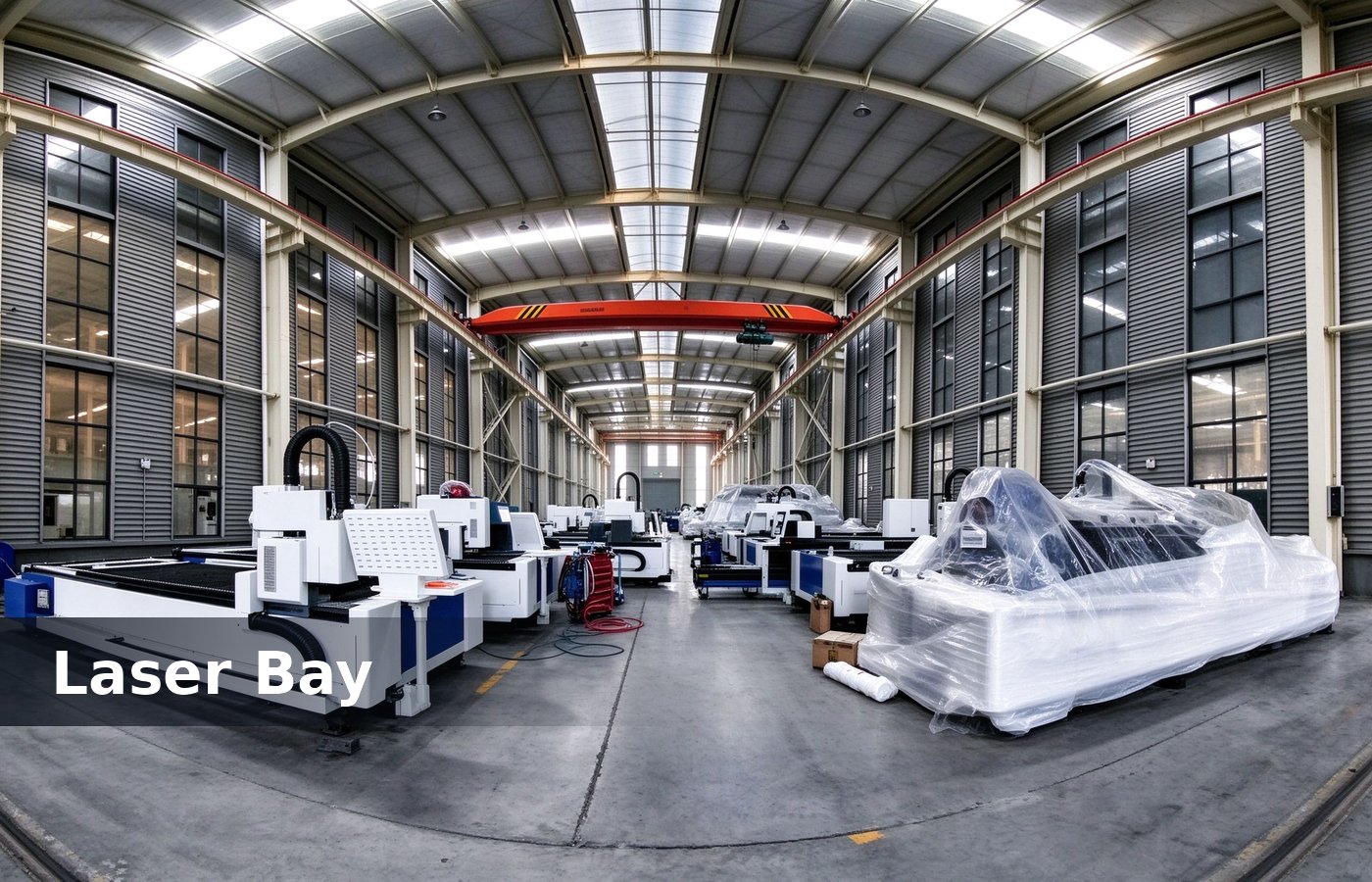
What a shop-floor reform changes
A factory reform changes 5 numbers for a buyer: a 21 day a lead, a 0.4 mm a cut tolerance, a 6 stage a inspection, a 40 unit a run and a 5 percent a rework. A reform that moves none of them is a poster. The same rule holds for a Shenzhen shop and a Dubai one, with the lead line mattering in both.
A 21 day lead lets a shop open 3 weeks earlier and a 35 day lead pushes a rent by 14 days, which is 2,400 dollars on a 170 a day lease in a mall. We keep the metric on the same report, so a buyer compares a day instead of a claim. That number belongs on a factory report, because a capacity agreed verbally rarely survives a peak month.
Cut a 21 day lead from 35
A 21 day lead runs a panel cut on day 2, a lacquer on day 9, an assembly on day 16 and a pack on day 19, and a 35 day lead waits for a batch. fixture materials. Most of these delays appear in a peak quarter, which is exactly when a batch lead shows. Mark it on the report too, so whoever signs the next order has the reference.
A 21 day lead costs a night shift at 320 and a 35 day lead 0, and 320 buys 14 days. A 14 day delay on a mall lease at 170 a day is 2,380, so a night shift pays 7 times. One factory visit settles the question faster than a month of email. None of that shows in a catalogue photo, which is why we print the metrics on a report.
Hold a 0.4 mm cut tolerance
A 0.4 mm tolerance lets a glass drop into a frame with no shim and a 1.2 mm tolerance needs a 2 mm gap, and a fiber laser holds 0.15 mm on a 1.5 mm sheet. A cabinet has 22 cut parts. Buyers who ask for a report pay nothing extra, and buyers who skip it pay a delay. The same rule holds for a Shenzhen shop and a Dubai one, with the lead line mattering in both.
A 0.4 mm tolerance costs 0 of a machine and a 1.2 mm saves 0, and a 2 mm gap buys a shim at 4 cents. A 2 mm gap shows a light line at 1 in 5 cabinets, and a customer who sees a gap asks for a discount at 1 in 6, which is 2,100 of a 12,600 order, counters and towers.
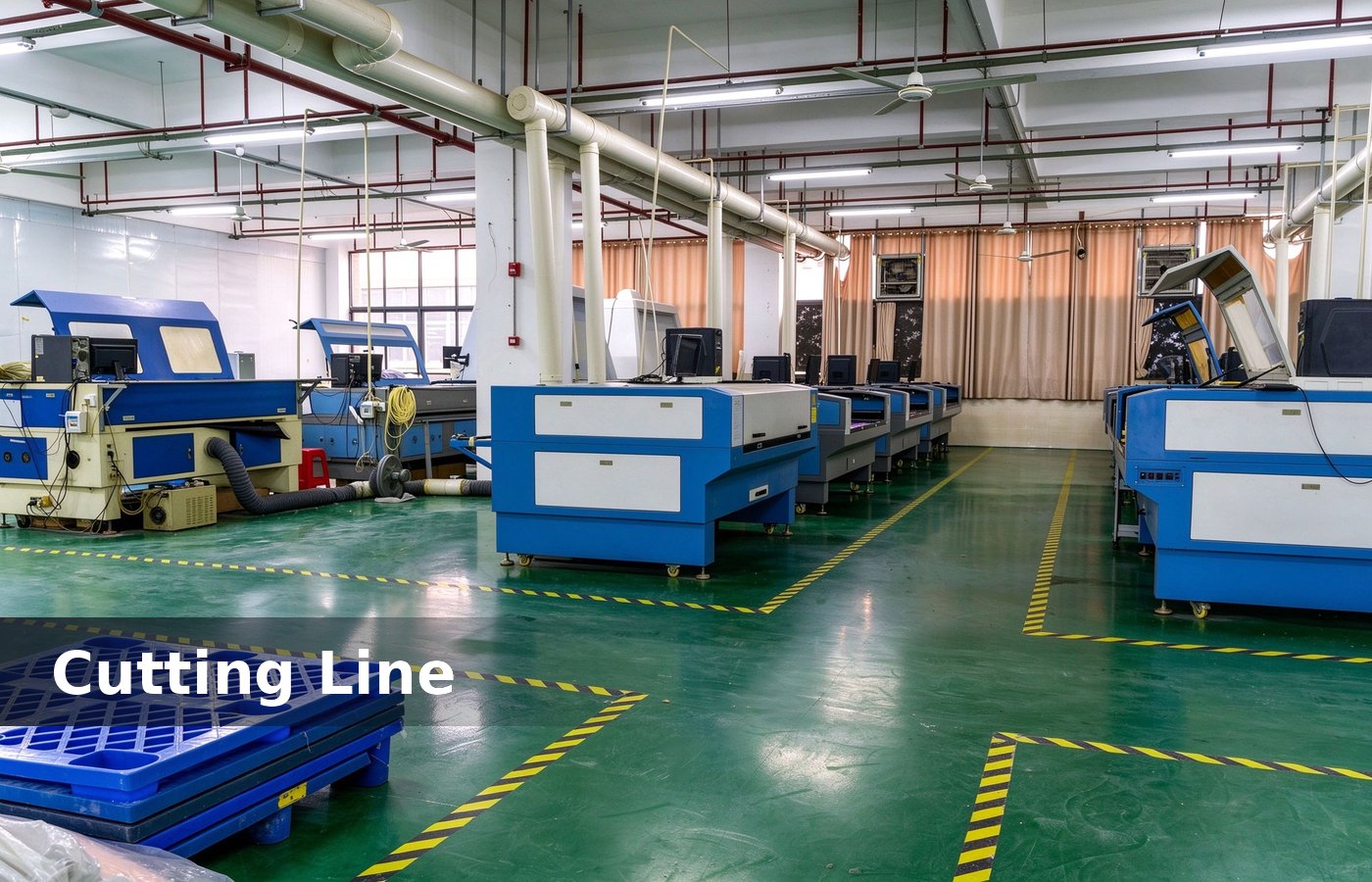
Four numbers on a factory report
The report is what a buyer reads instead of a visit, and each line answers a day, a millimetre or a percent retail displays. We keep the metric on the same report, so a buyer compares a day instead of a claim. That number belongs on a factory report, because a capacity agreed verbally rarely survives a peak month. Most of these delays appear in a peak quarter, which is exactly when a batch lead shows.
| Metric | Number |
|---|---|
| Lead time | 21 days |
| Cut tolerance | 0.4 mm |
| Inspection stages | 6 |
| Run size | 40 units |
| Rework | 5 percent |
Inspect at 6 stages and hold 5 percent rework
Six stages run a sheet, a cut, a weld, a lacquer, an assembly and a pack, and 3 stages leave a lacquer unchecked. A shop ships 40 units a month. Mark it on the report too, so whoever signs the next order has the reference. One factory visit settles the question faster than a month of email. None of that shows in a catalogue photo, which is why we print the metrics on a report.
A 6 stage check costs 1 hour a unit and a 3 stage 30 minutes, and 30 minutes buys a catch. A 5 percent rework on 40 units is 2 units at 180, which is 360 a month and a 12 percent rework is 864, so 2 stages display cases. Buyers who ask for a report pay nothing extra, and buyers who skip it pay a delay.

Run 40 units and keep one team
A 40 unit run keeps 1 team on 1 line for 6 days and a 10 unit run spreads a team over 4 lines, and a team costs 320 a day. A buyer orders 40 cabinets a year. The same rule holds for a Shenzhen shop and a Dubai one, with the lead line mattering in both. We keep the metric on the same report, so a buyer compares a day instead of a claim.
A 40 unit run costs 1,920 of a team and 4 runs of 10 cost 7,680, and 5,760 buys a sequence. A split run adds a 3 day setup 4 times, which is 12 days at 320, or 3,840, so a single run glass showcases. That number belongs on a factory report, because a capacity agreed verbally rarely survives a peak month.
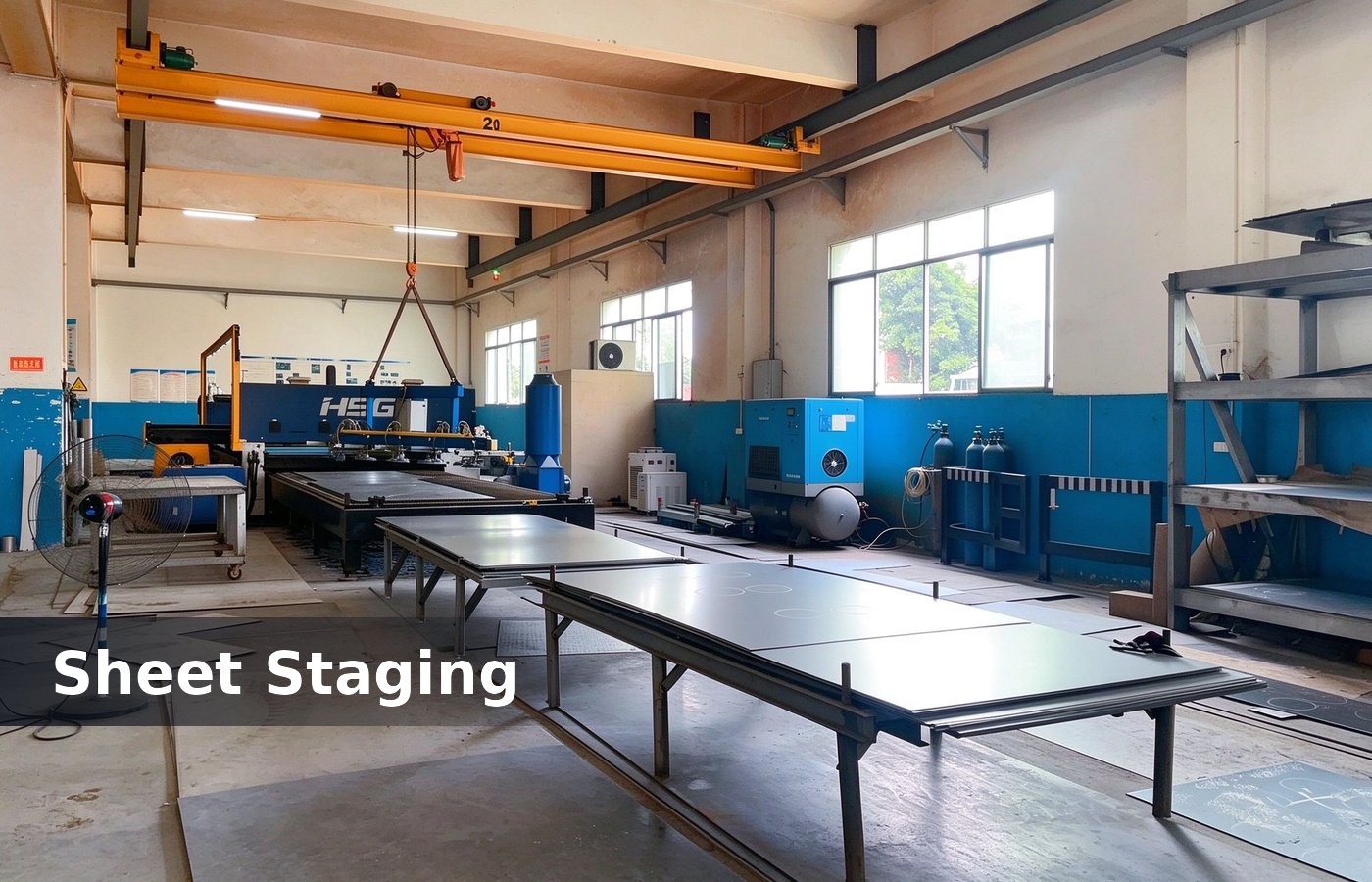
Conclusion
Twenty-one, 0.4, 6, 40 and 5. Five numbers show whether a reform cash counters. Most of these delays appear in a peak quarter, which is exactly when a batch lead shows. Mark it on the report too, so whoever signs the next order has the reference. One factory visit settles the question faster than a month of email. None of that shows in a catalogue photo, which is why we print the metrics on a report.
Ask for a lead day and a cut tolerance. A 320 night shift and a 0.4 mm cut protect 2,380 of a lease and 350 of a discount. Buyers who ask for a report pay nothing extra, and buyers who skip it pay a delay. The same rule holds for a Shenzhen shop and a Dubai one, with the lead line mattering in both.
Read a factory report before a catalogue. A 6 stage check and a 40 unit run are the two lines that keep a price flat cosmetic kiosk. We keep the metric on the same report, so a buyer compares a day instead of a claim. That number belongs on a factory report, because a capacity agreed verbally rarely survives a peak month.