
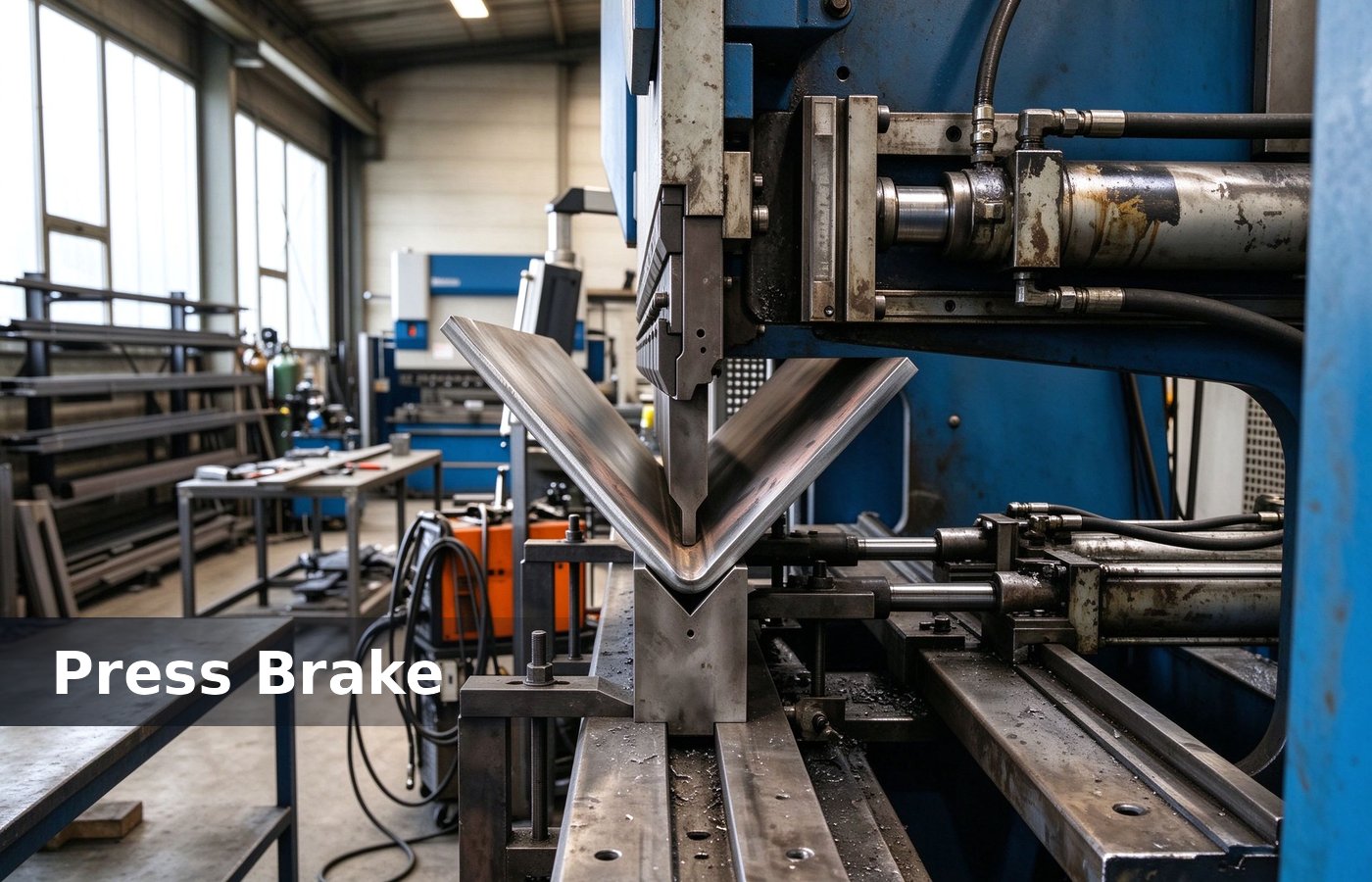
Five numbers a press shop sets
Back panel production for a showcase runs on 5 numbers: a 0.9 mm a blank, a 90 degree a bend, a 0.4 mm a flatness, a 12 a spot per metre and a 45 minute a cure. A shop that misses 2 shows a wave in a reflection. We keep the number on the same sheet, so a QC station compares a gauge instead of a photo.
A 0.9 mm blank bent to 90 degrees inside a 0.4 mm flatness with 12 spots a metre dries in 45 minutes, so a number decides a back panel glass showcases. That number belongs on a press sheet, because a flatness figure agreed verbally rarely survives a polished panel. Most of these waves appear on a 1.2 mm bend, which is exactly where 0.4 shows.
Blank 0.9 mm and bend 90 degrees
A 0.9 mm blank bends a corner and a 0.6 mm tears, and a bend runs 90 degrees. A shop cuts 40 panels a day. Mark it on the sheet too, so whoever presses the next panel has the reference. One panel gauged at the press settles the question faster than a month of email. None of that shows in a photo, which is why we print the numbers on a sheet.
A 0.9 mm blank costs 34 a panel and a 0.6 mm 24, and 10 buys 0.3 mm. A 0.6 mm blank tears at 1 in 6 panels and a tear costs 54 of a re-cut, which is display cases Shops who read a sheet pay nothing extra, and shops who skip it pay a re-straighten. The same rule holds for a Shenzhen line and a Dubai one, with the powder cure mattering in both.
Hold 0.4 mm flatness at 12 spots
A 0.4 mm flatness keeps a reflection straight and a 1.2 mm waves it, and a panel welds 12 spots a metre. A shop runs 2 seams a panel. We keep the number on the same sheet, so a QC station compares a gauge instead of a photo. That number belongs on a press sheet, because a flatness figure agreed verbally rarely survives a polished panel.
A 0.4 mm jig costs 60 a panel and a 1.2 mm 20, and 40 buys a gauge. A 1.2 mm panel waves at 1 in 4 panels and a wave costs 45 of a re-straighten, which is counters and towers Most of these waves appear on a 1.2 mm bend, which is exactly where 0.4 shows. Mark it on the sheet too, so whoever presses the next panel has the reference.
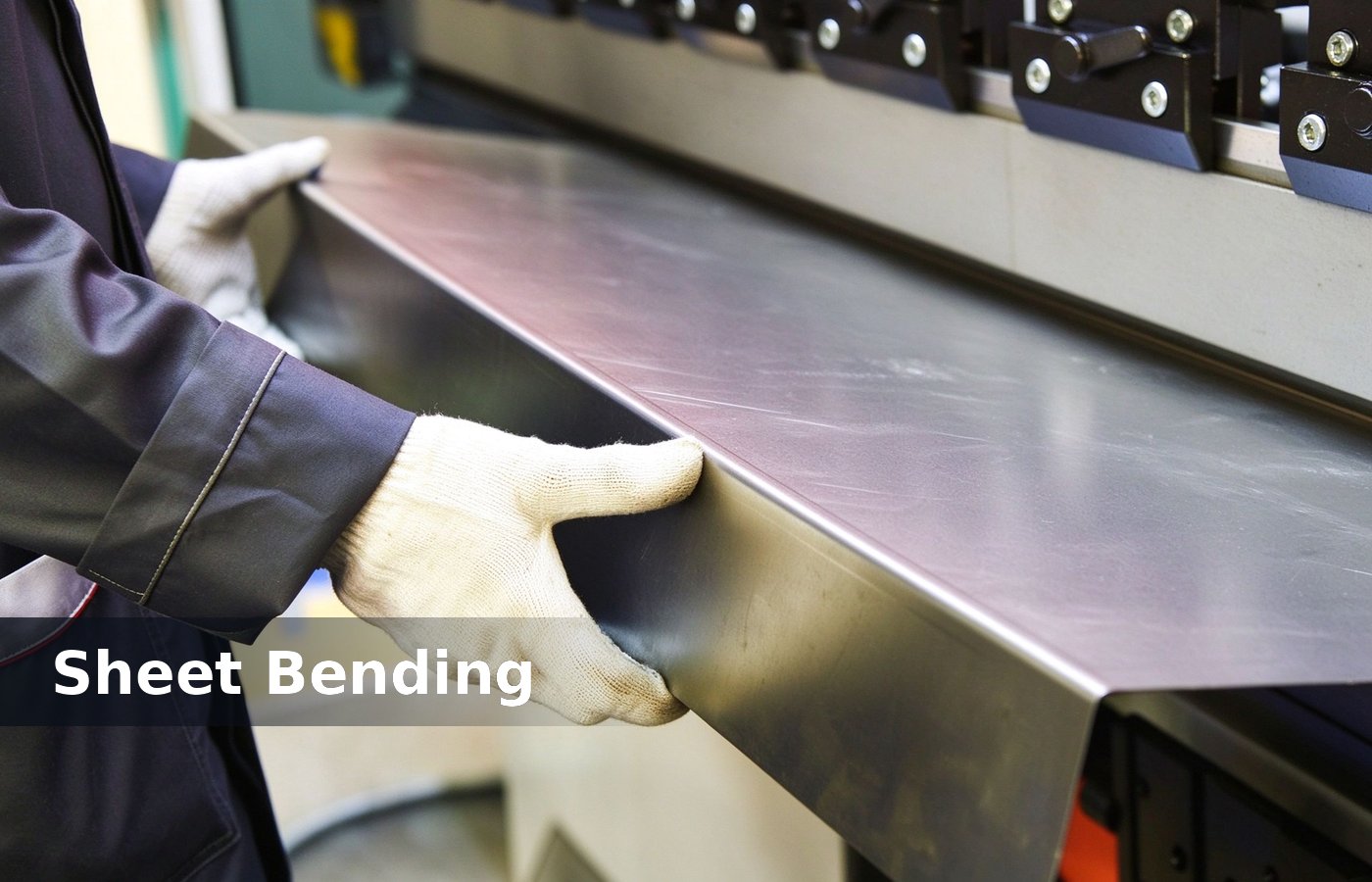
Four numbers on a press sheet
The sheet is what a line and a QC station both sign, and each line answers a millimetre, a degree or a minute shop fixtures. One panel gauged at the press settles the question faster than a month of email. None of that shows in a photo, which is why we print the numbers on a sheet. Shops who read a sheet pay nothing extra, and shops who skip it pay a re-straighten.
| Number | Value |
|---|---|
| Blank | 0.9 mm |
| Bend | 90 degrees |
| Flatness | 0.4 mm |
| Weld spots | 12 per metre |
| Powder cure | 45 minutes |
Cure 45 minutes at 180 C
A 45 minute cure holds a powder and a 25 minute smears, and a shop bakes 40 panels. A line runs 2 shifts. The same rule holds for a Shenzhen line and a Dubai one, with the powder cure mattering in both. We keep the number on the same sheet, so a QC station compares a gauge instead of a photo. That number belongs on a press sheet, because a flatness figure agreed verbally rarely survives a polished panel.
A 45 minute cure costs 18 a panel and a 25 minute 11, and 7 buys 20 minutes. A 25 minute cure smears at 1 in 5 panels and a smear costs 60 of a re-bake, which is fixture materials Most of these waves appear on a 1.2 mm bend, which is exactly where 0.4 shows. Mark it on the sheet too, so whoever presses the next panel has the reference.
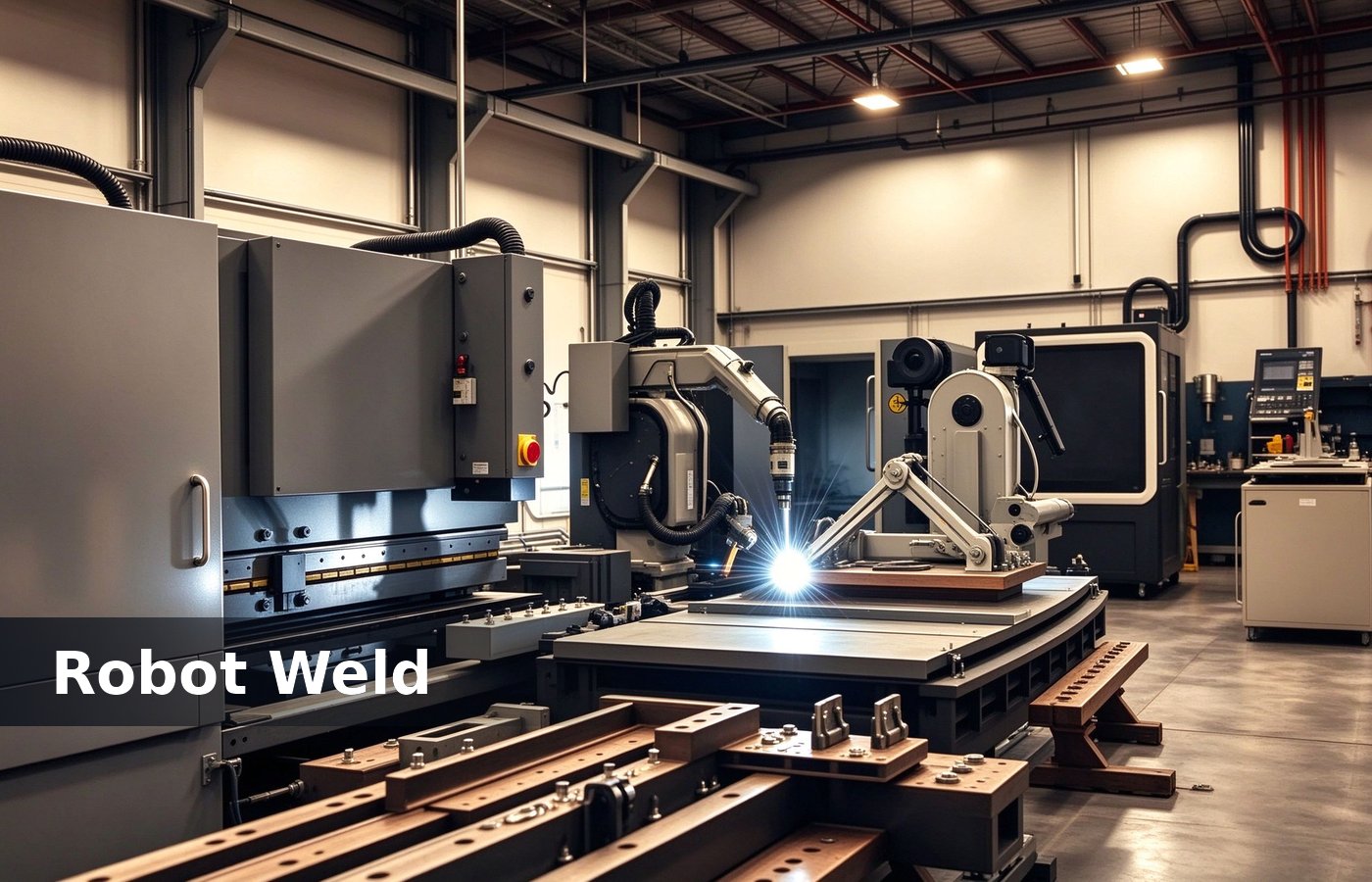
Measure 1 panel every 10
A flatness check reads in 40 seconds and a wave shows at 1 in 4, and a shop checks 40 panels. A shift checks 8. One panel gauged at the press settles the question faster than a month of email. None of that shows in a photo, which is why we print the numbers on a sheet. Shops who read a sheet pay nothing extra, and shops who skip it pay a re-straighten.
A check costs 0 and a skip 0, and 0 buys 40 seconds. A skipped check ships a 1.2 mm wave at 1 in 5 panels and a wave costs 90 a panel, which is retail displays The same rule holds for a Shenzhen line and a Dubai one, with the powder cure mattering in both. We keep the number on the same sheet, so a QC station compares a gauge instead of a photo.
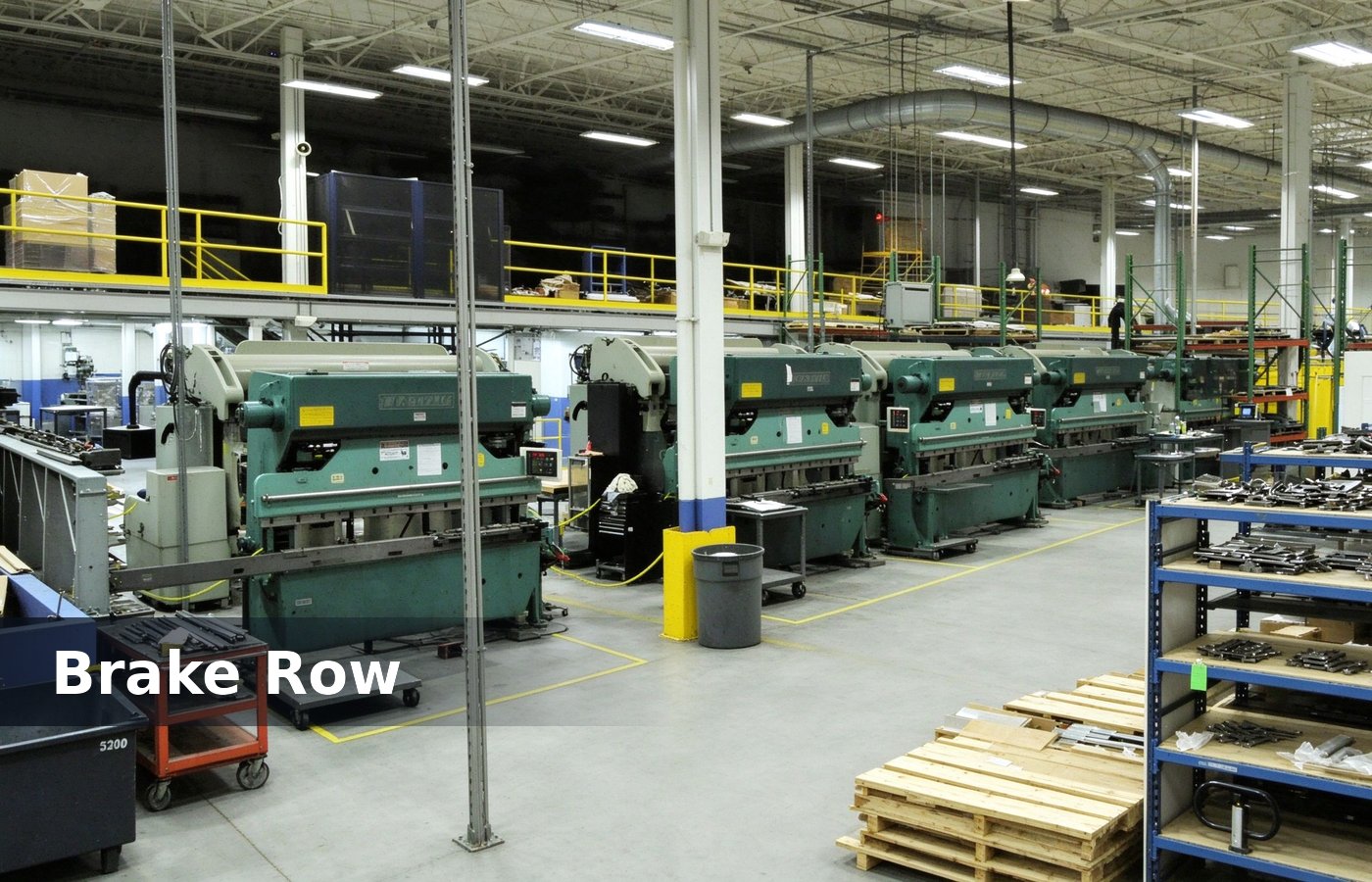
Conclusion
Nine-tenths, 90, 0.4, 12 and 45. Five numbers keep a back panel flat. That number belongs on a press sheet, because a flatness figure agreed verbally rarely survives a polished panel. Most of these waves appear on a 1.2 mm bend, which is exactly where 0.4 shows. Mark it on the sheet too, so whoever presses the next panel has the reference. One panel gauged at the press settles the question faster than a month of email.
Ask for a flatness gauge and a cure log. A 34 blank and a 60 jig protect 216 a day and 240 a day. None of that shows in a photo, which is why we print the numbers on a sheet. Shops who read a sheet pay nothing extra, and shops who skip it pay a re-straighten. The same rule holds for a Shenzhen line and a Dubai one, with the powder cure mattering in both.
Read a press sheet before a finished photo. A 0.9 mm blank and a 0.4 mm gauge keep a reflection straight, mall kiosk layout. We keep the number on the same sheet, so a QC station compares a gauge instead of a photo. That number belongs on a press sheet, because a flatness figure agreed verbally rarely survives a polished panel.