
Six fields, one reply
An inquiry turns into a quote in 3 days when it carries 6 fields: use, dimensions, quantity, destination, finish and budget. An inquiry with 2 of the 6 takes 3 weeks and 3 emails. Most of these drifts appear at the change order stage, which is exactly when a band quote shows its value. Mark it on the sheet too, so whoever quotes the next kiosk has the reference without guessing.
A complete inquiry costs 40 minutes to write and a quote lands in 72 hours, and a partial one costs 9 emails over 18 days. Two weeks of delay is 2 weeks of kiosk design. One call with 6 fields settles the question faster than a week of emails. None of that shows in a product photo, which is why we ask for a millimetre and a finish name.
Use and count first
A kiosk inquiry names the use and the count, because 1 food kiosk at 6 sqm and 4 at 9 sqm are 2 different lines. A quote without a count is a unit price and not a budget. Owners who settle it before an order pay nothing extra, and owners who settle it after a fit-out pay a change order. The same rule holds for a Shenzhen order and a Dubai one, with the humidity line mattering in both.
A unit price inquiry replies in 1 day and a budget inquiry in 3, and the 3 day one avoids a 30 percent drift. A 12,000 dollar project that drifts 30 percent is 3,600 counters and towers. We keep the alternative on the same sheet, so the owner compares a line instead of an email. That number belongs on the inquiry sheet, because a field agreed verbally rarely survives a first quote.
Dimensions in millimetres
A dimension written as 6 sqm leaves 400 mm of uncertainty and a dimension written 2,400 x 2,500 mm leaves none. Four hundred millimetres on a counter depth changes a 12 metre quote by 8 percent. Most of these drifts appear at the change order stage, which is exactly when a band quote shows its value. Mark it on the sheet too, so whoever quotes the next kiosk has the reference without guessing.
An 8 percent drift on 12 metres at 1,040 is 998 dollars, and one dimension line costs 30 seconds. A drawing at 1:20 costs 240 and removes the same drift, cash counters. One call with 6 fields settles the question faster than a week of emails. None of that shows in a product photo, which is why we ask for a millimetre and a finish name.
Five numbers on the reply
The table is the shape of a quote we send, and each line answers a day, a millimetre or a percent retail displays. Owners who settle it before an order pay nothing extra, and owners who settle it after a fit-out pay a change order. The same rule holds for a Shenzhen order and a Dubai one, with the humidity line mattering in both.
| Field | Detail |
|---|---|
| Reply time | 72 hours |
| Drawings needed | 1 plan, 1 elevation |
| Dimension format | millimetres |
| Quote drift | 8 percent |
| Sample | 1 board |
Finish named twice
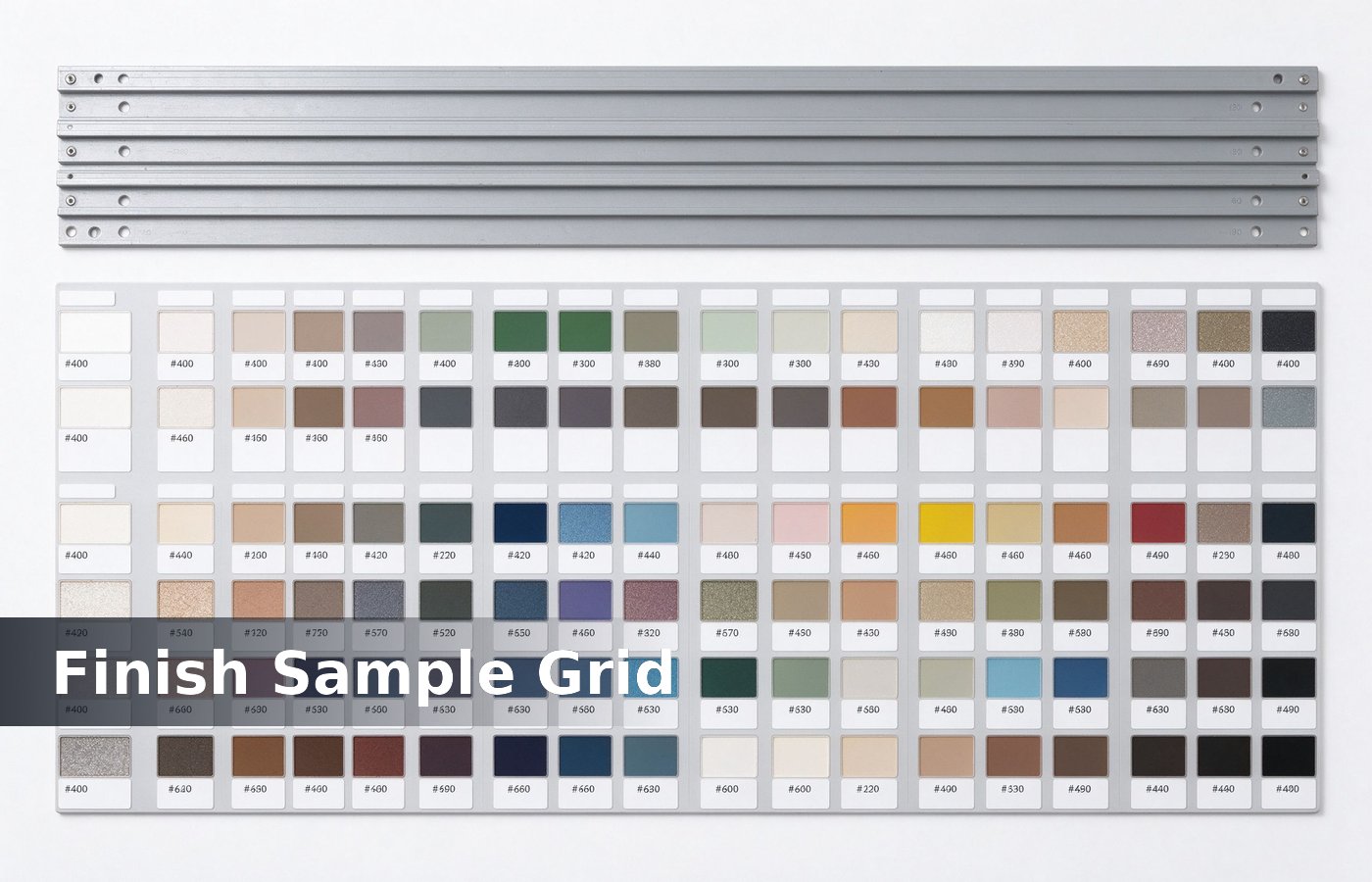
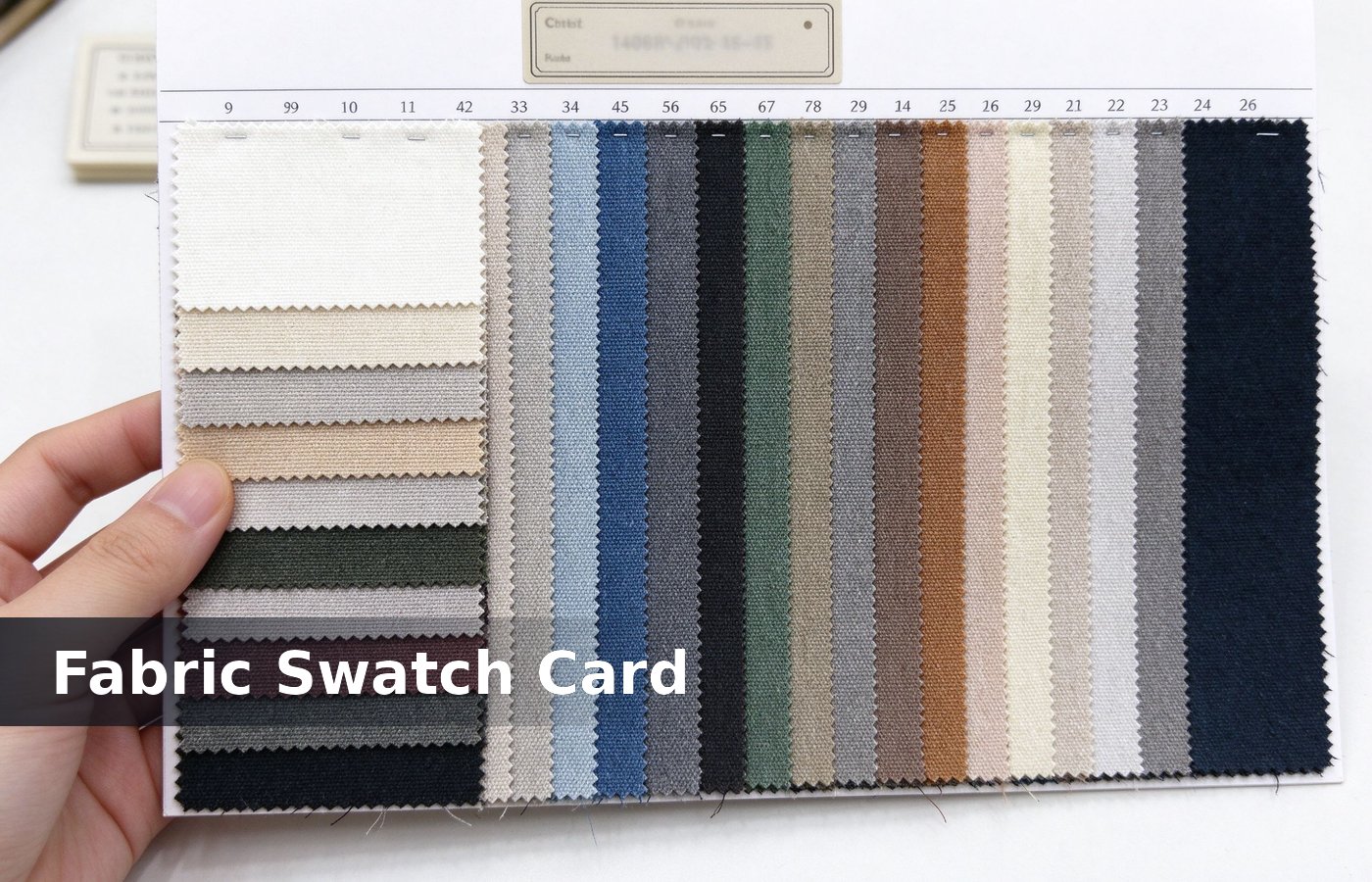
A finish named as white costs 62 dollars a sqm and a finish named as RAL 9010 matte melamine costs 74, and 12 dollars of clarity saves 2 rounds of photos. A photo of a finish is 1,200 km display cases. We keep the alternative on the same sheet, so the owner compares a line instead of an email.
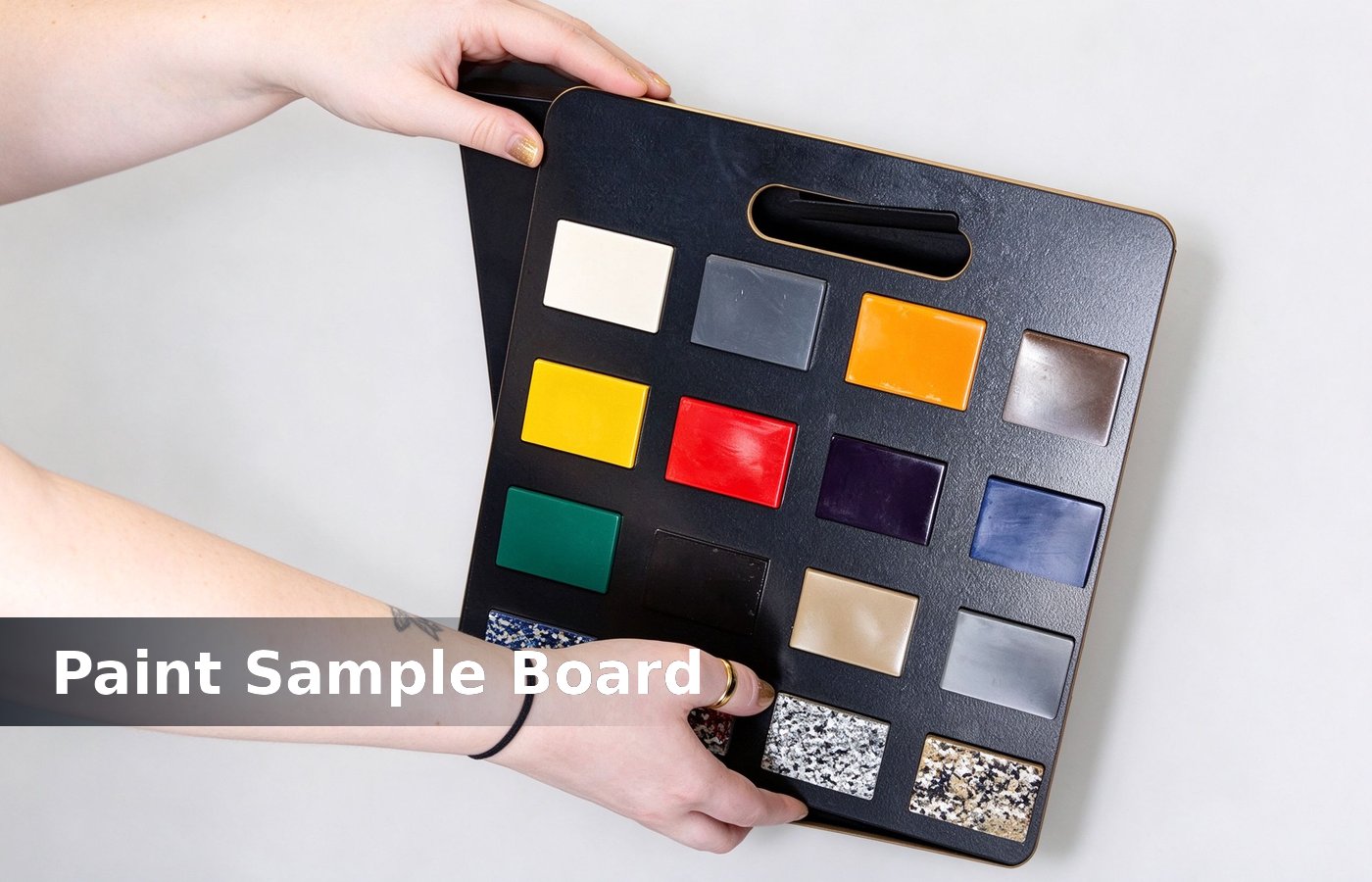
A finish sample board costs 40 dollars to ship and a wrong finish costs a 12 sqm re-spray at 380. Three hundred and forty dollars of re-spray against 40 of board is 8 boards worth of insurance. That number belongs on the inquiry sheet, because a field agreed verbally rarely survives a first quote. Most of these drifts appear at the change order stage, which is exactly when a band quote shows its value.
Destination sets the carcass
A kiosk to Dubai needs 18 mm plywood and a marine seal because 70 percent humidity swells a chipboard panel 2 mm in 3 weeks. A kiosk to Berlin runs at 45 percent and a chipboard holds 4 years. Mark it on the sheet too, so whoever quotes the next kiosk has the reference without guessing. One call with 6 fields settles the question faster than a week of emails.
A marine seal costs 34 dollars a metre and a chipboard re-fit 210 a bay, and 12 metres of seal is 408. Two bays at 18 months is 420, so the seal is cheaper glass showcases. None of that shows in a product photo, which is why we ask for a millimetre and a finish name. Owners who settle it before an order pay nothing extra, and owners who settle it after a fit-out pay a change order.
Budget as a band
A budget band mall kiosk layout to 22,000 dollars lets a factory propose 2 layouts and 1 budget line, and a single number forces a quote to fit and hides 2 items in 3 months. The same rule holds for a Shenzhen order and a Dubai one, with the humidity line mattering in both. We keep the alternative on the same sheet, so the owner compares a line instead of an email.
A band quote lists 9 lines and a single number 6, and 3 hidden lines appear as change orders at 1,900. Owners who name a band pay 1,900 less in changes, which is 10 percent of 18,000. That number belongs on the inquiry sheet, because a field agreed verbally rarely survives a first quote. Most of these drifts appear at the change order stage, which is exactly when a band quote shows its value.
Conclusion
Six fields, 72 hours, millimetres, 8 percent drift and one sample board. Five items shop fixtures. Mark it on the sheet too, so whoever quotes the next kiosk has the reference without guessing. One call with 6 fields settles the question faster than a week of emails. None of that shows in a product photo, which is why we ask for a millimetre and a finish name.
Write the 6 fields, send one plan and one elevation, name a band. A 40 dollar board and 30 seconds of dimensioning protect 1,900 of change orders. Owners who settle it before an order pay nothing extra, and owners who settle it after a fit-out pay a change order. The same rule holds for a Shenzhen order and a Dubai one, with the humidity line mattering in both.
Check a finish at 2 names and a carcass at 18 mm. Two names turn a photo into a spec and 18 mm plywood holds a 70 percent humidity mall. We keep the alternative on the same sheet, so the owner compares a line instead of an email. That number belongs on the inquiry sheet, because a field agreed verbally rarely survives a first quote.