
Introduction: Payback Beats Price
A fixture that costs USD 300 and sells nothing is dearer than one at USD 1,500 that turns stock every month. Most buyers compare list prices and stop there. That number hides the real cost: floor space, staff time, and the gross margin each square metre returns. This article ranks six fixture families by how fast they return the money spent on them.
Payback means the months needed to recover the purchase from extra gross margin. We assume a 40 percent gross margin and a fixture that stays in use for five years. Cost ranges are typical for 2026 and cover small shops and mid-size stores. Rent, wages and stock mix will move the result for your site, so treat each figure as a starting range rather than a promise.
How We Ranked Them
Each family was scored on three inputs. First, the list price of a standard unit. Second, the selling area it adds, meaning shelf or floor space that holds product, not the footprint of the fixture. Third, the sales lift a well-placed unit usually produces in a store refit. Lift figures come from supplier project data and shop reopenings, so read them as ranges rather than guarantees.
The numbers below are working figures, not quotes. Fixture cost sits at USD 150-2,500 per unit, typical list range for 2026. Payback assumes a 40 percent gross margin on extra sales. A display case that adds USD 900 of margin a month returns a USD 1,350 unit in about two months, before lighting and delivery are counted.
| Fixture family | Cost per unit (USD) | Selling area added | Typical payback |
|---|---|---|---|
| Display case | 700-1,500 | 1.2-1.8 sqm of visible shelf | 1-3 months |
| Cash wrap counter | 600-2,500 | 0.6-1.2 sqm of counter | 3-6 months |
| Wall shelving | 150-800 per bay | 1.5-3.0 sqm of product face | 2-5 months |
| Clothing racks | 120-450 | 0.8-2.0 sqm of rail | 1-4 months |
| Mannequins and forms | 90-400 | 0.3 sqm of floor | 2-6 months |
| Mall kiosk | 9,000-15,000 | 6-12 sqm of island | 9-18 months |
Display Cases Top the List
A glass display case does two jobs at once. It holds stock and it raises the value of that stock. A ring under glass reads as protected, while the same ring on an open shelf reads as loose stock. That shift lets a store hold its price without changing the product inside. Buyers notice the difference even when they say nothing about it.
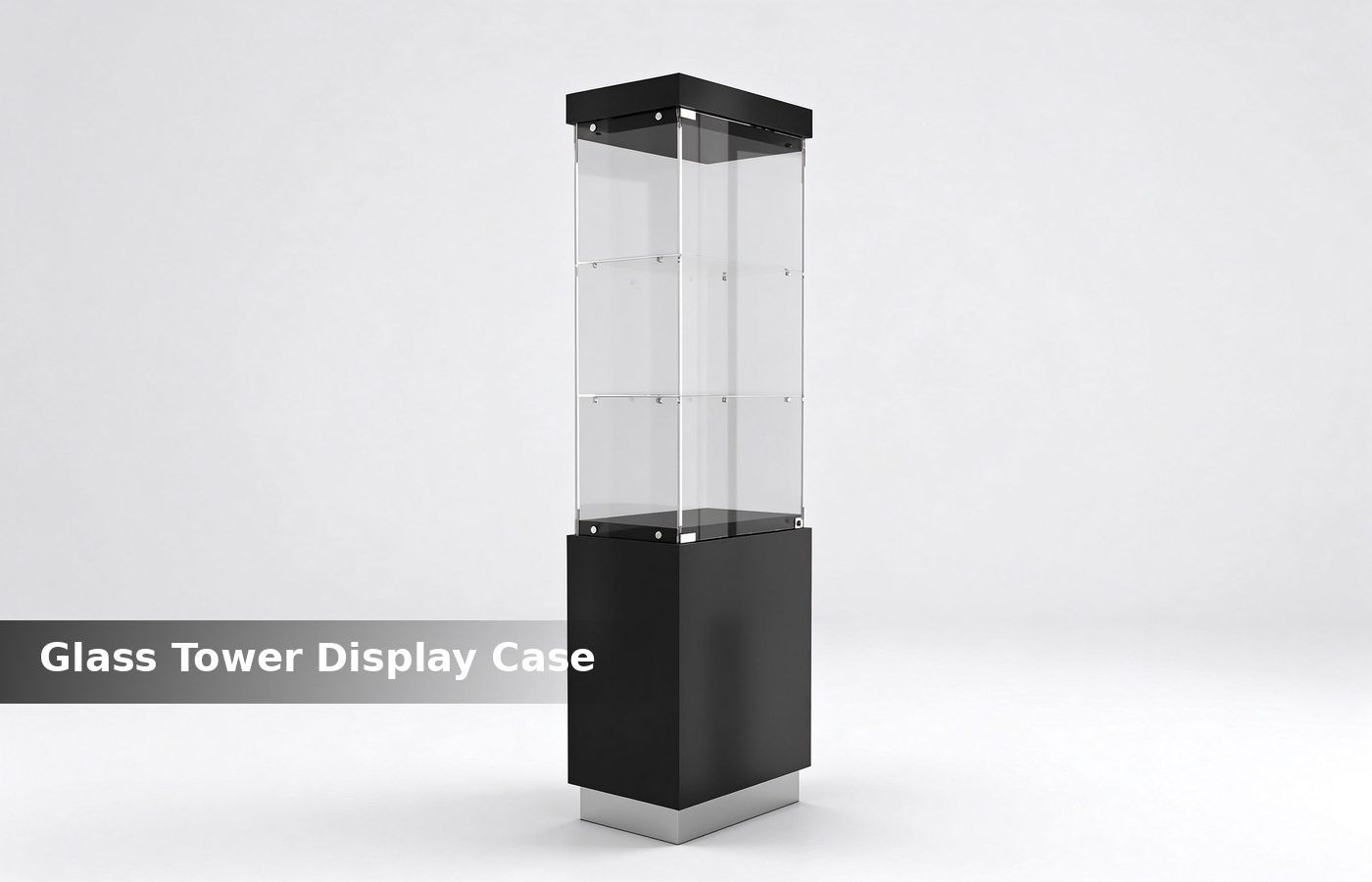
Cost runs USD 700-1,500 for a lit case with locks, typical range for 2026. A tower adds about 1.2-1.8 sqm of visible shelf across four levels. At a 40 percent margin, one extra sale a day pays for the unit inside three months. A jewellery display tray set lifts that rate again, because trays rotate faster than fixed shelves.
The limit is stock value. A case earns its keep only when the goods inside are worth more than the case. Slow stock in a case stalls payback and ties up cash. Fast, high-margin stock in the same case makes it the cheapest selling space in the store, and the case keeps that value for years.
Cash Wraps Pay Back on Speed
A cash wrap counter returns money by shortening the queue and widening the last sale. A counter with a clear top, a card terminal and a bag shelf cuts each transaction by 20 to 40 seconds. On a busy Saturday that time turns into served customers instead of a line at the door. Speed also keeps the floor calm during peak hours.
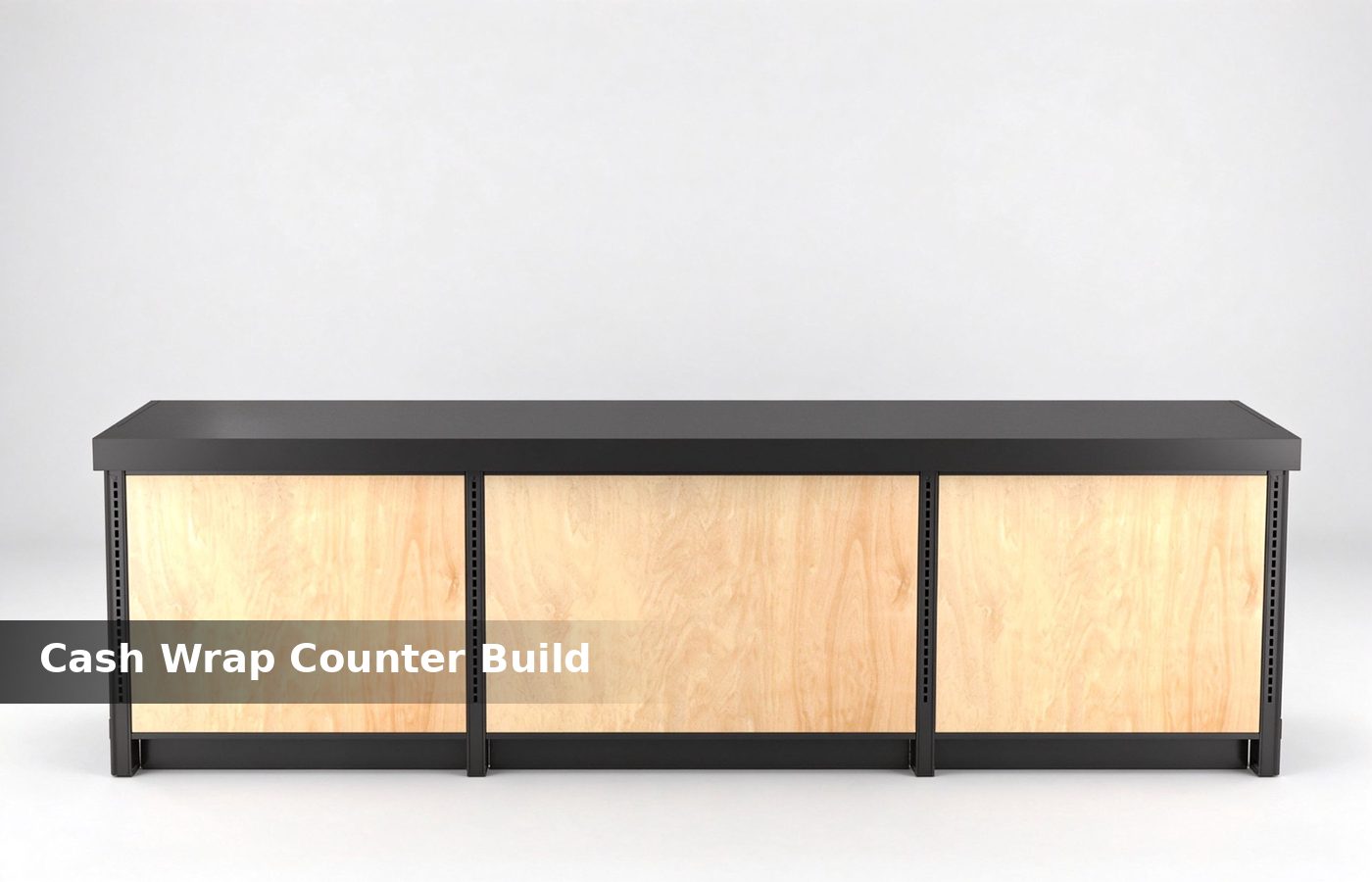
Cost is USD 600-2,500, typical range for 2026, set by length and storage. Payback lands at three to six months, slower than a case. The gain is steady rather than dramatic. A counter that hides clutter also removes a common reason for abandoned baskets, and a clear top makes the last add-on sale easy to offer at the till.
Shelving Adds Selling Area Fast
Wall shelving is the cheapest way to add selling area. One bay of four shelves puts 1.5-3.0 sqm of product face on a wall that already exists. The fixture carries little cost and uses no floor space at all, which matters in a shop where the walkway is already narrow. A wall bay also keeps stock visible from the entrance.
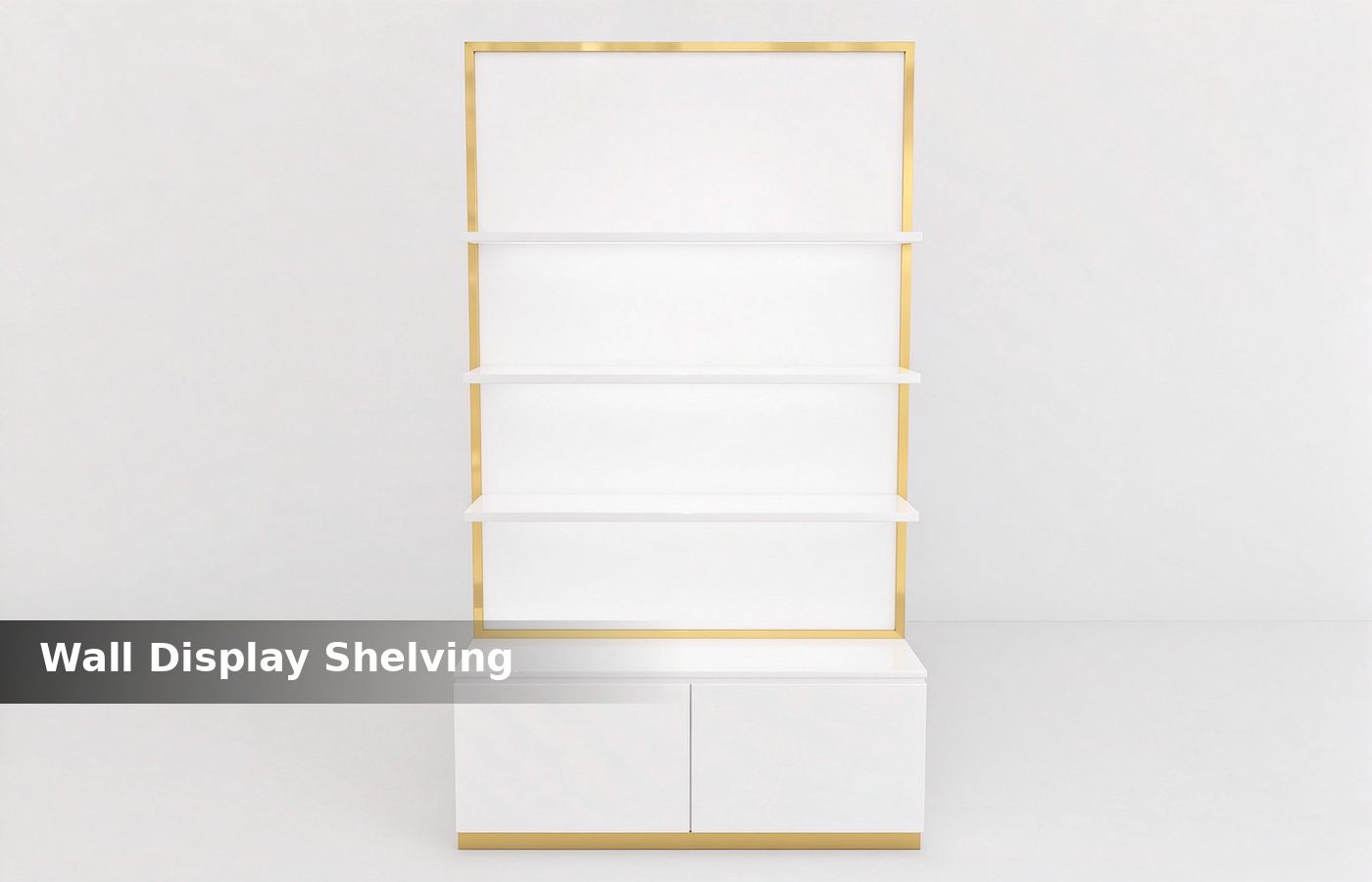
Cost is USD 150-800 per bay, typical range for 2026. Adjustable shelves matter more than finish, because pitch decides what fits. A bay with fixed shelves often wastes the top level on tall boxes. A bay on slotted standards resets in an hour when stock changes, and that reset speed is what protects the payback.
Clothing Racks Cost Least
A clothing rack is the smallest fixture investment with a visible effect. One rail holds 30 to 60 garments at arm’s length and moves in minutes. That mobility is the point: a rack follows a promotion instead of waiting for a rebuild. It also lets a small shop test a category without committing wall space to it.
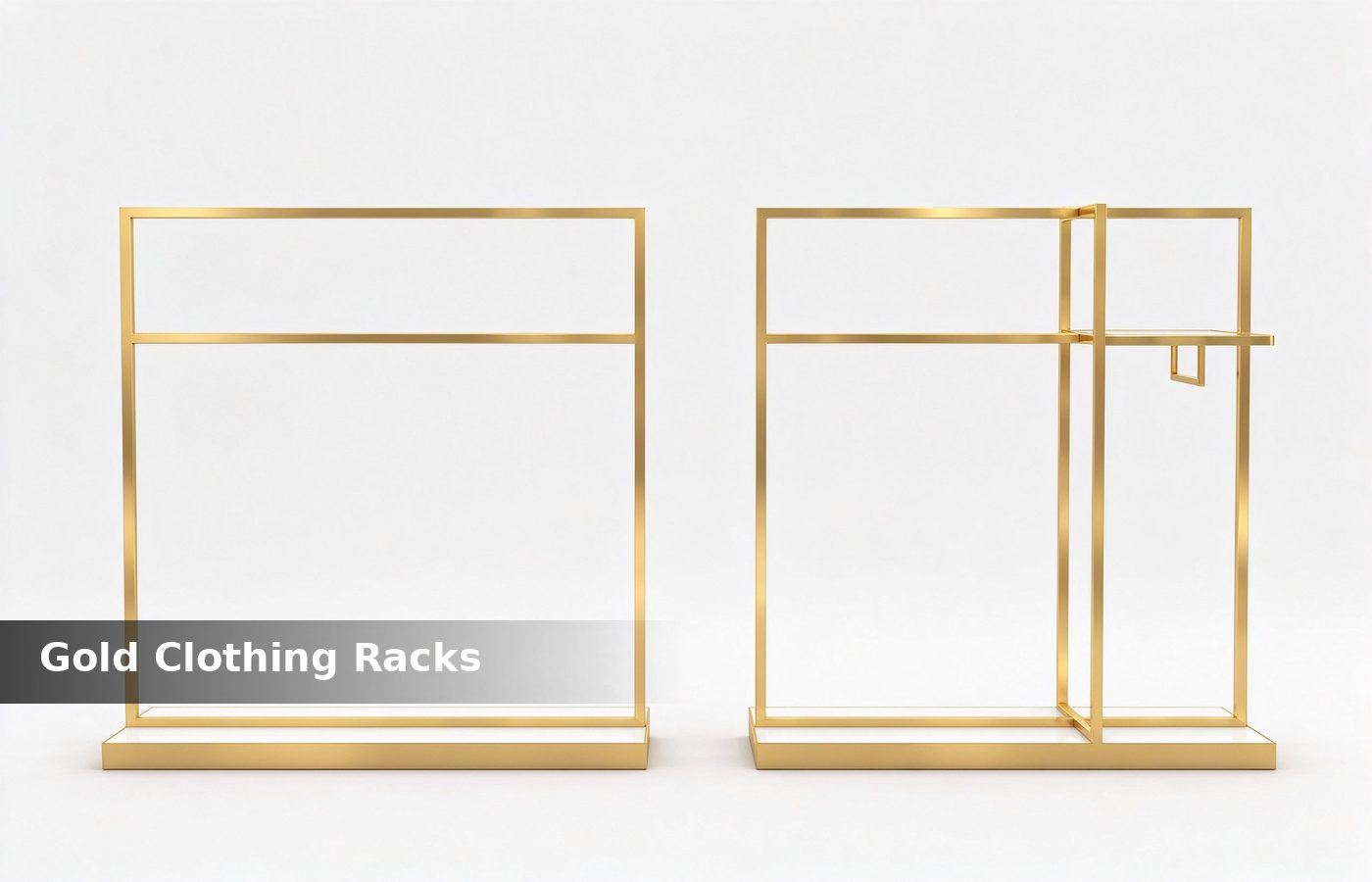
Cost is USD 120-450 for a rail with a weighted base, typical range for 2026. Payback sits at one to four months when the rack holds new stock near the entrance. Density drops if the rail is overfilled, so 40 garments per metre is a safe working limit for full-price stock. Half that number suits heavy outerwear.
Mannequins Buy Attention Cheaply
A mannequin or torso form costs less than most shelving bays and works on foot traffic. A dressed form at the door stops people who were walking past. That stop is the cheapest advertising a shop owns, and it repeats every trading day without a media budget. Two forms give a shop a window story with a front view and a back view.
Cost is USD 90-400 per form, typical range for 2026. Payback is harder to measure than a case, because the gain shows up as store entries rather than item sales. Plan on two to six months. Two forms beat six, since each one needs a full outfit, a steam and a change every two weeks to stay useful. A form that never changes stops being seen at all.
Kiosks Pay Back Slowest
A mall kiosk carries the highest ticket here: USD 9,000-15,000 for a counter, light box and storage, typical range for 2026. It also carries rent, power and staff, and those costs start on day one. Payback runs nine to eighteen months on a good site, and much longer on a weak one. Rent per square metre decides that spread more than the fixture design does.
The kiosk still wins when location is the product. A bay in a mall corridor reaches traffic that a street shop cannot buy. The risk sits in the fixed cost, because a slow month still pays rent and wages. Treat kiosk payback as a location decision first and a fixture decision second, then pick the display layout that fits the bay.
What Shortens Payback Time
Four things decide whether a fixture pays back early. Placement near the entrance cuts the time, because stock meets shoppers first. Replenishment speed matters more than the fixture finish. A case that sits half empty earns nothing, however good the glass, and an empty rail sells nothing at all. Staff routines set the pace of both, and basic store operations decide how often a shelf gets filled.
Price point and margin set the ceiling. A case filled with low-margin goods cannot return much. Staff habits close the loop: a counter with bags and tissue within reach moves the queue, while a counter that hides them adds a few seconds to every sale. Those seconds add up across a trading week more than most owners expect. Test the counter with one cashier before the refit starts, not after.
Conclusion: Match Fixture to Store
Rank fixtures by the constraint you face. Tight floor space points to wall shelving and display cases. Slow checkout points to a cash wrap. A new season points to racks and forms. A mall bay points to a kiosk, with rent folded into the maths before the order goes out, not after. One fixture will not fix a weak layout, so place two or three against each other.
Payback math should drive the purchase list, not the catalogue order. Our Shenzhen factory builds display cases, counters, shelving and kiosks to your dimensions and finish. We cut glass, steel and board in one plant, so a mixed order ships together. Send the floor plan through our contact page for a costed layout. We quote by drawing, so sizes and shelf counts stay clear.